12 Rules For RV Camping and Campsite Etiquette
Whether this is your first time or one of many, it’s a good idea to respect your fellow campers. Following these simple campsite etiquette rules will make sure you and your neighbours have a wonderful vacation.
Related Topic: 5 Easy Steps to Leveling Your Travel Trailer
Following these simple rules and etiquettes, will ensure that everyone has a great time.
RV Camping and Campsite Etiquette
1. Follow Campsite Rules & Regulations
Most campsites have individual rules and regulations that you must follow. When checking into your campsite the host most likely will provide you with a sheet with all the rules and regulations that you must follow.
Typically the guidelines will outline how many people can be at each campsite and the speed limits when traveling within the campgrounds. These rules will outline what you can and cannot do while camping at that particular campground. When you respect other campers rights, they will respect yours as well.
2. Don’t Park Next to Someone if there are lots of other spots open
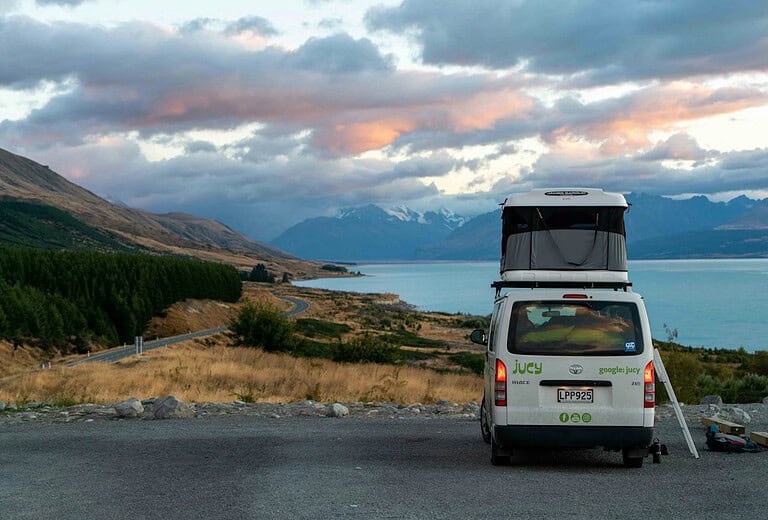
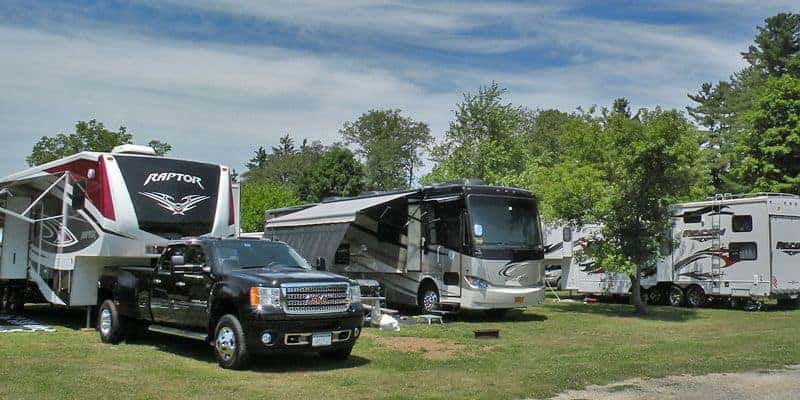
When you arrive at the RV campsite try not to park next to someone if there are lots of other open spaces elsewhere. Nothing can be more annoying to someone, having someone park right next to them when there are many other sites available. Sometimes this cannot be avoided especially on busy on weekends.
If you’re an avid boondocker having someone parking right next to your RV is definitely unwelcomed especially if you’re in the middle of the desert and there are lots of other places someone could park. Always remember to try to give other people their space, when possible. Leave as much space between your camp and other campers as the situation allows.
3. Don’t Leave your outside lights on all night long
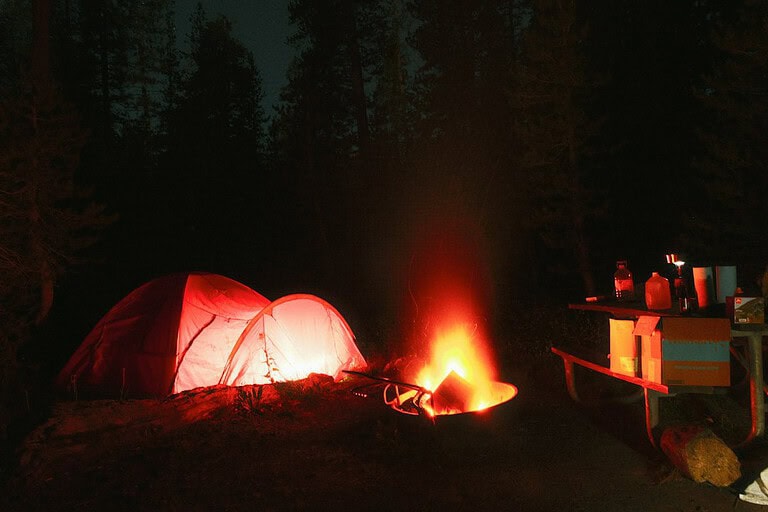
Turn off decorative awning lights when you retire. Use only the lighting you need for safe access, aim it downward, and avoid shining it into neighbouring sites. Even a small amber light can disturb someone if it faces their sleeping area.
No one wants to go to bed at night having their neighbours bright outside lights blaring at them when they are trying to sleep or enjoying the stars at night. Once again this is just common courtesy. Your fellow camper could be sensitive to light when trying to sleep or perhaps just trying to enjoy tonight’s sky.
4. Respect Other Campers Space

One of the worst things you could do while camping is to walk through someone else’s campsite without asking. Just because it could be faster to get to the facilities through a campsite doesn’t mean that you should be doing it.
Be polite and go around.
Your campsite is just like your home’s backyard and is considered private property by most campers. Be mindful of your neighbours privacy. If you’re camping with kids make sure they follow this very simple rule as well.
5. Mind Your Pets

We love taking our dog camping with us as do most campers. The fresh outdoors is good for both you and your pet. Enjoy camping with your pet while respecting other campers.
Clean up after your dog
Whether you’re at your campsite, out for a walk or hiking on a nearby trail be sure to always clean up after your pet. Most cities have bylaws to enforce cleaning up after your pet. if at all possible try to keep your dog from going to the bathroom on someone else’s campsite.
How would you feel if someone came along and let their dog go to the bathroom and didn’t clean up after it. I’m sure you wouldn’t be happy. Most campgrounds provide doggie bags to make cleanup easy and convenient.
Keep your dog on a leash
Most campgrounds have rules that require your pet to be on a leash. Even though your dog may be friendly, not everyone is a dog lover. Keeping your dog on a leash is for your dog’s protection as well as others.
Some dogs are sensitive to unexpected noises like thunder, a car backfiring or someone setting off some firecrackers. Having your dog on a leash can give you some comfort in knowing that your dog can’t run off unexpectedly.
Don’t leave your dog alone
Plan outings so your dog can come with you where permitted, or arrange supervision in a safe environment. Do not treat open windows as protection against heat in a parked RV. The American Veterinary Medical Association warns about leaving pets in vehicles; a thermostat setting alone is not a safety guarantee.
Our earlier camping routine included using the RV air conditioner while we were away. That describes past practice, not a recommendation to leave a dog unattended: shore power or cooling can fail. See our RV camping with dogs checklist when planning pet-friendly activities.
6. Respect Quiet Hours
Read the campground’s posted quiet hours and any separate generator hours; there is no universal schedule. Keep voices, music and equipment noise low enough to avoid disturbing neighbouring sites, including outside formal quiet hours.
This doesn’t mean that you can’t enjoy your campfire during those times, you just need to be respectful of others. You may be on vacation or on your weekend getaway but there are others that full-time in their RV and are not there to party.
If you’re camping at your local race track after a race you may find that there is no quiet time. The tracks I’ve visited normally turn into a huge party and can go all night long.
7. Slow Down When Driving & Obey Posted Speed Limits

Follow Campground Speed Limits
Most campgrounds I’ve visited have a posted speed limit of 5 miles per hour for the safety of their campers. Drive slowly and be aware that kids or dogs can appear out of nowhere. You’re on vacation, slow down and take your time you shouldn’t be in a rush.
I normally just idle through the campground with my foot on the brake ready to stop quickly, if needed. I can’t tell you how many times I’ve seen people drive through a campground at over 20 mph kicking up dust without any concern for fellow campers. Slow down and be safe.
8. Leave the campsite cleaner than when you first arrived
You should always leave the campsite cleaner than when you arrived. Be sure to pick up and dispose of all your garbage before leaving. One thing we do as a family before we leave is do one last check over of our campsite to make sure we haven’t left anything unexpected.
We often find a forgotten item during our final campsite check. Leave shared water points clean, keep wastewater equipment away from drinking-water fittings, and report contamination to the campground operator. Do not spray a homemade bleach mixture on shared facilities. For the RV system itself, follow the manufacturer’s procedure and our fresh-water system care guide.
9. Late Arrivals and Early Departures
If you’re arriving late or leaving early during normal quiet hours try to be as quiet as possible.
Late Arrivals
If you’re arriving once it’s has gotten dark, do your best to minimize the noise. If it’s been a long day of driving, you may just want to park your RV and set it up in the morning. Most likely you won’t need to hook up the water or sewer right away.
What I normally do if this happens, is park the my trailer on the most level part of the campsite, plug in the power and leave the rest for the morning.
Early Departures
If you’re planning on leaving really early in the morning try putting away most of your camping gear the night before. This will make for a quick and easy departure for yourself and will minimize the impact on your fellow campers.
A few things that I put away the night before are my BBQ, ground mat, fire pit, and any other items that I would not be using in the morning. Another really good idea is to hook up your trailer to your truck the night before as well.
We pretty much have everything ready to go in the morning other than disconnecting the power, water and closing up the awning and slides. Planning is everything when it comes to a quick and easy departure. Once you’ve done it a few times, it becomes second nature.
10. Be A Good Neighbour
Once you’ve arrived at your campsite, introduce yourself to your neighbours. Part of the fun in camping is meeting new people from different parts of the country. You already have one thing in common, the love of camping.
If this is your first time camping, don’t feel afraid to ask questions and get advice from a seasoned camper. I’ve learned so much from other campers over the past few years of camping.
11. Don’t Leave A Campfire Unattended
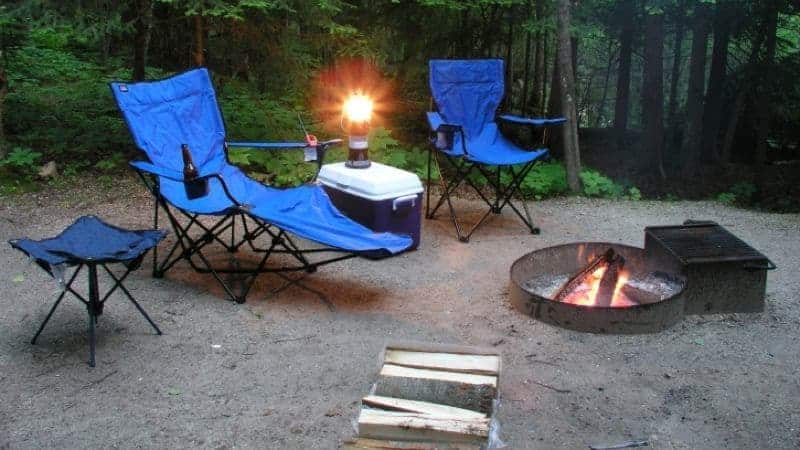
Unattended campfire
Before starting a fire check with your camp host to ensure there are no fire bans or any restrictions requiring you to use an above ground fire pit or designated fire ring. Having a campfire is one of the best part of camping.
Follow the campground rules is essential for your safety as well as others. Never leave your fire unattended and always put it out before you retire for the evening. We use an above ground fire pit with a screen when having a fire. We keep the fire to a minimum using smaller pieces of wood and covering it with the screen.
A screen does not make a fire safe to leave unattended. When finishing, soak the embers, stir thoroughly, and add more water until everything is cold; a fixed number of gallons cannot guarantee that. Follow Smokey Bear’s campfire-extinguishing guidance and the campground’s instructions.
12. Generators

Camping with a Generator
Check the booked site’s electrical service before relying on it. Without a hookup, your available power depends on the RV’s batteries, solar and any permitted generator. Some campgrounds prohibit generators or limit their hours; confirm the rules before arrival.
No one likes the sound of a noisy generator. Have you ever noticed where they put the generator when they’re camping. Most times they put it to the back side of the trailer so they don’t have to hear it. Can’t tell you how many times I’ve seen this done to me when I’m right beside them. It’s so annoying. Never use a contractor style portable generator as they are so loud.
Compare the noise specification of the exact generator model and follow campground restrictions; no brand is automatically the quietest. For a portable generator, follow the manufacturer’s outdoor placement instructions and CDC carbon-monoxide precautions, keeping exhaust away from your RV and neighbouring campers. Have an RV technician assess built-in generator exhaust concerns rather than improvising an extension.
Generator runtime depends on electrical loads, battery capacity, charger output and solar conditions. Plan charging around the campground’s permitted operating periods and reduce unnecessary loads. Our quiet-hours guide covers noise and lighting etiquette.
Our trailer is equipped with a 250 watt solar panel, 2500 watt inverter and 300 amp hours of batteries. This is more than enough to watch TV every evening, use our lights and listen to the radio all day long.
Having solar and generator is the best of both worlds. Minimizing your generator usage will keep your fellow campers happy.
Final Thoughts
Follow the Golden Rule, if you are not sure of the proper campsite etiquette, think of how you would like to be treated. If you think something may bother your neighbour, I’d suggest you go ask them. If something is bothering you, go talk to the camp host.
If your concerns have not been addressed, you may consider moving to another site or another campground all together. Camping is fun for adults and kids alike.
Families that camp together stay together.
For additional guidance on responsible outdoor recreation, the U.S. National Park Service summarizes the Leave No Trace principles, including respecting fellow visitors and wildlife.
Further RV reading
Start your next campground stay with this travel-trailer campsite setup checklist. For the practical side of your trip, read our guides to leveling a trailer, RV fresh-water system care, and RV waste-system maintenance. For coastal camping, our Oregon shore visit article includes links to current shellfish closure notices; do not rely on an older trip report for harvesting permission.