RV Sewer Valve Replacement: Diagnosis, Fit and Repair Steps
Is an RV gray-water or black-water waste valve becoming difficult to operate, or is the outlet showing signs of a leak? This guide discusses when a replacement might be needed and why checking the correct valve size matters.
Affiliate disclosure: This article contains paid shopping links. If you buy through them, Wandering RV Life may earn a commission at no additional cost to you. As an Amazon Associate I earn from qualifying purchases.
RV freshwater and wastewater systems have different maintenance needs. For the fresh-water side, see our RV water-system care guide.
Wastewater found behind the outlet cap can be a sign of a leaking termination valve. Because RV waste systems may contain harmful microorganisms, consult your manufacturer’s guidance or a qualified service technician before investigating a suspected leak.
A replacement may be appropriate if the valve no longer seals or operates correctly, but the problem and compatible part should be confirmed first.
This account covers an accessible, manually operated waste valve. Enclosed, cable-operated or electric valves may need a different repair procedure. Confirm the fault, part number and access before beginning; corrosion and plumbing layout can make the job take much longer than expected.
Sewer valve leaks
It is quite common for a valve to leak if you have some debris that has been lodged between the blade and the rubber gasket.
If the tank can be emptied normally, investigate debris only while securely connected to an approved sewer inlet or dump station. Follow the valve maker’s cleaning instructions; do not cycle the valve with the outlet uncapped and unconnected, or force a stuck handle.
Persistent liquid behind the cap needs diagnosis. A damaged seal, trapped debris, loose joint or actuator fault can call for different repairs; liquid alone does not establish that the entire valve needs replacement.
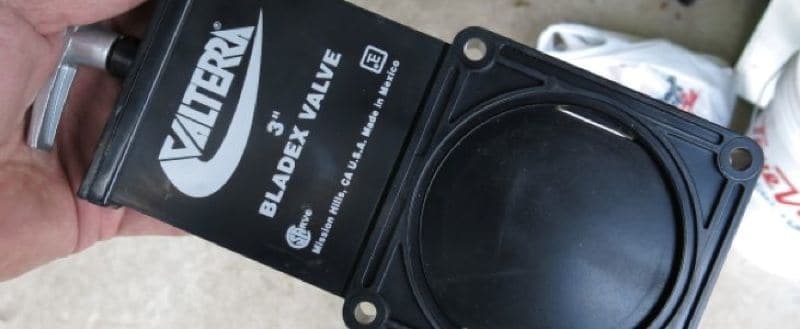
Valve-fit check: The comparison below shows a Valterra T1003VPM 3-inch valve and a T1002VPM 2-inch valve. They are different sizes, not interchangeable options. Many RV gray-water drains use 1½-inch valves; neither example should be assumed to fit without checking the original part. Review Valterra’s official 3-inch product information for compatibility details before choosing any replacement.
Valterra RV Waste Valve Comparison
Compare the key features, then see current product details and pricing on Amazon.

- Check the existing valve and flange compatibility
- Product specifications on Amazon

- Different size from the 3-inch option
- Check the original part number before purchase
As an Amazon Associate, we may earn a small commission from qualifying purchases.
Do not force a stiff valve or apply an unspecified lubricant. Check the valve manufacturer’s maintenance guidance for compatible products and the correct application points. If a full tank cannot be emptied normally at an approved disposal point, arrange professional service before loosening any valve hardware.
Don’t wait until it’s stuck
Investigate leaks or sticking before the next trip. A leaking seal, debris, damaged flange or actuator problem can require different repairs; buying a new valve without diagnosing the fault may not solve it.
RV waste valve sizing
RV wastewater systems commonly use a 1½-inch gray-water valve and a 3-inch black-water valve, although layouts and fittings vary. These are wastewater components, not fresh drinking-water valves. Check the original part and your RV owner’s documentation before choosing a compatible replacement. For background, see RV.com’s overview of RV waste systems.
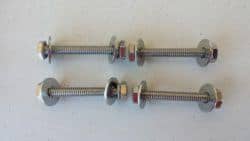
After dealing with rusted hardware on my own trailer, I chose stainless-steel replacement bolts. Treat that as an account of my repair, not a universal specification. Use the supplied hardware or replacements approved for your valve, with the correct dimensions and grade.
Tools Required to Replace Waste Valve
The 3-inch Valterra replacement kit includes the valve seals and mounting hardware listed by the manufacturer. You still need suitable tools and protective equipment. Corroded bolts may require additional work; avoid cutting near plumbing or wiring unless you can protect the surrounding components.
When I went to go replace mine after about 5 years of use, they were totally rusted and I needed to use the hacksaw to cut them off and that’s when I made the decision to use stainless steel bolts.
Before installation, check the replacement kit’s instructions for seal placement and any approved lubricant. Do not assume a general-purpose grease is compatible with the seals.
Tools:
- Sewer Valve Replacement Kit
- Two wrenches
- Manufacturer-approved lubricant only if the installation instructions call for it
Removing the Valve
- Empty and flush the affected tanks at an approved sewer connection or dump station before disassembly. Wear suitable protective gloves and eye protection, and keep wastewater tools separate from drinking-water equipment. If you cannot confirm the tanks are drained, stop and arrange service.
- Place a dedicated, adequately sized catch container beneath the drained valve for residual liquid. Dispose of collected wastewater at an approved facility; do not release it onto the ground.
- The valve slides in between two flanges. It is held on with four nuts, bolts and washers. Hold the bolt still with one wrench and turn the nut until all are removed–or vice-versa.
- Support the connected plumbing and separate the flanges only enough to remove the valve without stressing or cracking the pipes. Stop if the assembly will not move safely; enclosed or rigid installations may need professional access.
- The valve has two rubber gaskets, one for each flange. Check to see that they came out with the valve. If not, pull them off the valve. There may be some dripping at this stage.
Replacing the Valve
- Seat the new seals in the positions specified by the replacement kit, then insert the valve without dislodging or pinching them. Check alignment before fitting the approved bolts.
- Tighten the approved hardware evenly to the valve manufacturer’s specification. Do not apply the bolt dimensions from a different RV or overtighten plastic flanges.
- Before returning the system to use, perform the manufacturer’s leak and operation checks while connected to an approved disposal point. Check the valve body, both flange joints and the outlet seal. Clean the work area and dispose of contaminated materials appropriately.
Note:
Valterra lists seals, nuts and bolts as included with its T1003VPM kit. Check the contents of your exact replacement kit before buying additional hardware; prices and specifications vary.
Maintenance
Follow the valve manufacturer’s inspection and maintenance schedule. Investigate new leaks, stiffness or damaged hardware promptly; there is no universal three-to-five-year replacement interval. Use only compatible maintenance products and avoid spraying unspecified grease onto the shaft or seals.
What can I do if my valve is stuck open in an emergency?
A Valterra twist-on waste valve may provide an additional closure at a compatible outlet, but it does not repair the original valve. Do not remove an outlet cap or attempt installation against uncontrolled wastewater flow. Have a technician assess a stuck-open valve when the system cannot be safely drained.
How to open a stuck closed valve
If a waste valve is stuck closed, avoid forcing parts that could damage the plumbing or cause a wastewater spill. An RV service technician can help identify the cause and confirm the appropriate repair.
Related RV planning guides
For a broader campground routine, see our campsite setup checklist. For other aspects of RV ownership, see our guides to travel-trailer leveling, campsite etiquette, and fresh-water system safety.