RV Camping in British Columbia: How to Choose a Campground
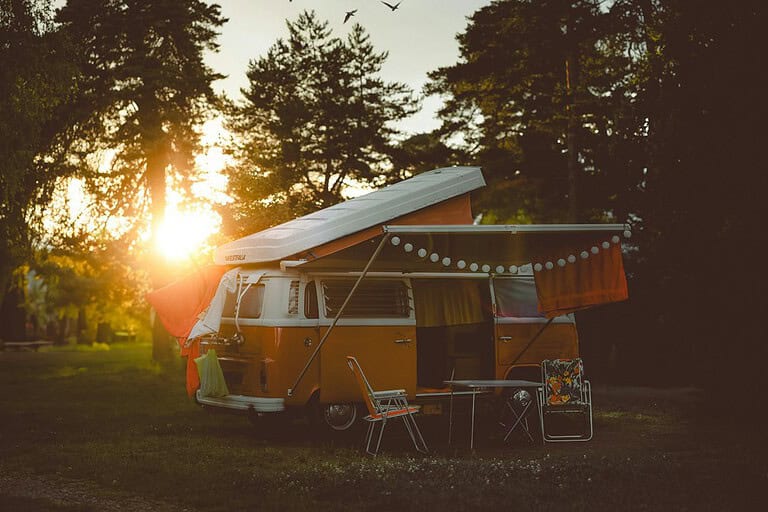
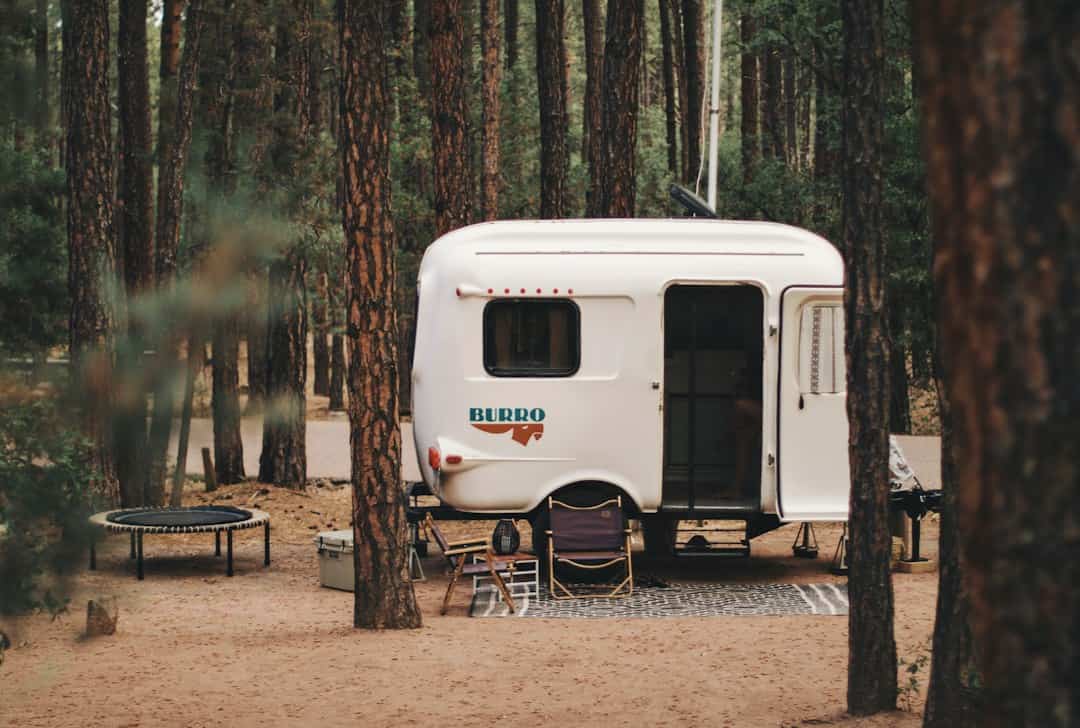
Editorial note: The featured image is illustrative, not a photograph of tested equipment or a documented visit for this guide.
What to know before you go
Start with your RV’s dimensions and hookup needs, then compare the specific BC campground’s site access, services, booking rules and current conditions. A campground described as RV-friendly may still have sites unsuitable for your trailer.
Start with the style of RV trip you want
British Columbia camping can mean a serviced RV park near a town, a provincial park campground, or a quieter unserviced site. Before choosing a destination, decide whether you need electrical service, potable water, a dump station, cellular coverage or simply a suitable place to park. A scenic location is not automatically a suitable place for every trailer.
Compare provincial parks and private campgrounds
BC Parks manages reservable frontcountry campgrounds and some first-come, first-served opportunities. Amenities vary by park and campground. Private RV parks may offer more extensive hookups and convenience services, but the details and rules differ between operators. Check the specific campground listing rather than assuming every site in a park has the same features.
Check the actual site fit
Confirm your combined vehicle and trailer dimensions, including the space needed to maneuver, rather than relying only on a broad RV-friendly description. Review the site’s published equipment-length limits, driveway layout, pad slope, overhead clearance and whether the site requires backing in. Also confirm whether an additional tow vehicle can stay on the pad.
Plan for reservation restrictions
BC Parks currently opens reservable frontcountry campsites up to three months before the arrival date, with new reservations released daily at 7 a.m. Pacific. Some campgrounds require reservations while others allow first-come, first-served camping. Review the official BC Parks booking rules before making plans. Check the park’s current reservation opening, maximum stay, occupancy rules, cancellations and check-in instructions. If you cannot reserve, find out whether first-come sites exist and what alternatives you have if they are full.
Prepare for regional conditions
Coastal trips may bring rain and dampness, while interior destinations can have hot afternoons or cool nights. Wildfire-related restrictions, road conditions and seasonal closures can change. Use current park notices and official travel advisories before departure rather than treating any printed travel guide as a real-time conditions report.
Choose a site you can enjoy, not just occupy
Think about how you will use the campsite: leveling, awning clearance, walking access, shade, privacy and proximity to washrooms. A less scenic site with easy access and the right services may deliver a better weekend than an awkward premium-looking pad. For more details, read our RV campsite selection guide and reservation checklist.
British Columbia campground comparison checklist
| Question | What to verify |
|---|---|
| RV length and access | Equipment length limit, road width, turn clearance and back-in space |
| Services | Electrical hookup, fresh water source and dump station availability |
| Reservations | Current release date, cancellation terms and check-in requirements |
| Comfort | Shade, pad slope, washroom distance, pet rules and quiet hours |
| Local conditions | Park alerts, weather, fire restrictions and route closures |
Before leaving for a BC campground
Save the park’s official page and booking confirmation for offline access. Check the towing route rather than relying solely on the fastest driving directions, and identify a backup campground in case your first plan is disrupted. If you are staying without hookups, estimate your own water and power needs ahead of time.
Practical takeaway
For BC RV camping, confirm your rig fits the actual site, the amenities match your needs, and the booking and travel conditions are current. Use the official BC Parks listing or the private campground’s own information before committing.
Sources and further reading
Official park information. This article is research-based and does not represent a firsthand equipment test or an unverified personal trip.