
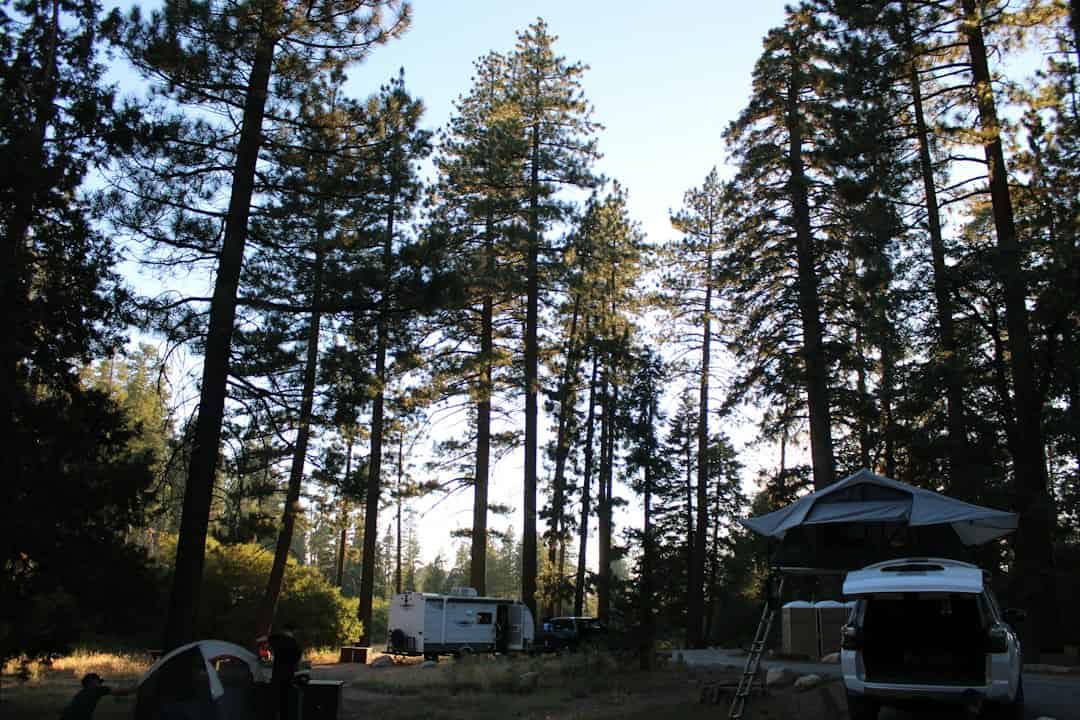
It is easy to reserve a campground and discover later that the stay you imagined is not the one you booked. A photo may show an open meadow while your assigned pitch is narrow, or a listing may advertise hookups without explaining what is available at each site. A short reservation checklist reduces misunderstandings before money changes hands. Use it for provincial parks, private RV resorts and family campgrounds, adapting it to the booking platform’s rules.
Quick answer: Before paying, verify site length and vehicle allowances, hookup details, occupants and pets, arrival and checkout rules, cancellation terms and the campground’s current advisories.
At a glance
| Category | What to consider | Why it matters |
|---|---|---|
| Site | Size, access, surface, permitted equipment | Know your setup will fit |
| Stay | Check-in, quiet hours, pets, visitors | Avoid rule surprises |
| Payment | Total cost, cancellation deadline, fees | Know the actual commitment |
Compare the real total, not the nightly headline
Look for booking fees, taxes, additional-vehicle charges and possible pet or utility charges where applicable. Compare the final price for your exact dates, party size and equipment. Check whether deposits are refundable and how cancellations are handled after a weather change or illness. The date when a cancellation penalty begins may matter more than the advertised nightly price. Keep the confirmation and fee policy together, and do not assume policies from another campground in the same region apply here.
Match the reservation to your equipment
Write down trailer dimensions and whether you need parking for the towing vehicle. Check site length, accessibility, slope limitations and the location of available services. If booking text says “RV maximum length,” ask whether that includes any separate vehicle space. Verify whether the campsite has water, electricity, sewer or only shared campground facilities. For a more detailed way to evaluate sites, read how to choose an RV campsite.
Read campground policies that affect daily life
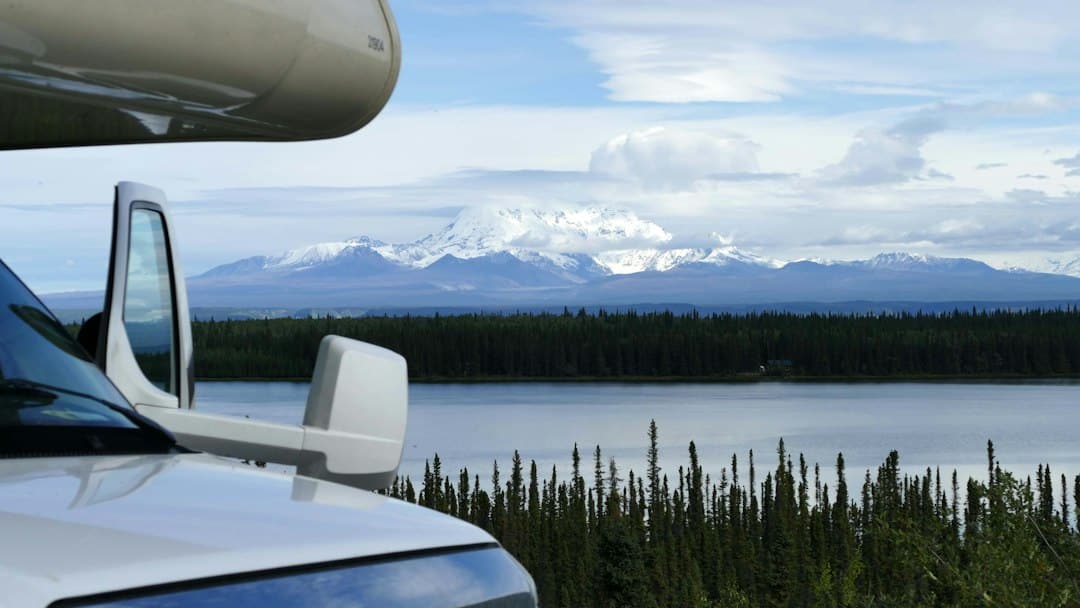
Policies for dogs, campfires, generators, outdoor mats, visitors and noise differ widely. Some parks have limits on tents or screen rooms on an RV pitch. If you’re traveling with a pet, confirm whether the campground allows its size or number and where walks are permitted. If you need reliable internet, ask about actual coverage instead of assuming every “Wi-Fi available” label means a connection inside your trailer. Campground regulations should be reviewed again just before departure, particularly during fire or severe-weather seasons.
Plan the route and check-in window
A confirmed site is not the same as a confirmed easy route. Check the campground entrance, potential low-clearance warnings, gate hours, check-in method and late-arrival instructions. Large resorts sometimes have multiple entrances, and public parks may use a separate after-hours process. Save the campground telephone number somewhere accessible. Arriving in daylight makes it easier to assess the pitch. If you expect delays, follow the operator’s procedure rather than simply parking elsewhere.
Keep alternatives and a simple paper trail
Save the exact site number, reservation name, dates and access details. Note one or two alternative campgrounds in the area, especially on popular weekends when a change may be difficult. Recreation.gov recommends planning early and being familiar with individual site’s “Need to Know” information. If your plans change, modify or cancel the reservation promptly so another traveler may be able to use the place.
Practical checklist
- Verify exact site dimensions and the vehicle-parking rule.
- Read full hookup details and the site map.
- Record check-in, checkout and late-arrival instructions.
- Save the complete payment and cancellation policy.
- Check current advisories close to the travel date.
Frequently asked questions
How early should I book a popular RV campground?
As early as the individual booking window permits if your dates are inflexible. Reservation release rules differ by park and may change, so check the official booking website rather than assuming one national schedule.
Can I trust an “RV-friendly” site listing?
Use it as a starting point only. Check the specific pitch size, allowed vehicles, access, service locations and campground restrictions for the site you plan to reserve.
The takeaway
A good reservation process should leave you confident about where you are going, where the trailer will fit and what you will actually pay. Save your answers so your next booking takes less work.
If arrival timing may change, review late-check-in planning. Before reserving services, compare full and partial hookups and ask about site-specific accessible facilities where relevant.
Related Wandering RV Life guides
Continue reading: Choose the right RV campsite, RV budget planning, Travel trailer campsite setup. These topics work together, but your own trailer manual and campsite rules always take precedence.
Helpful references
Editorial images are illustrative; featured photograph: RV Editorial 03 – RV Campground Reservations – Torrance Ortiz / Unsplash. No products were independently tested for this article. Updated October 25, 2026.