RV Departure Checklist: What to Review Before Leaving a Campsite
Departure day is when a well-planned RV trip can become hurried. Someone is still looking for a missing jacket, another person is gathering outdoor chairs, and checkout time is approaching. A clear checklist gives each traveler a role without blurring the line between ordinary packing and safety-critical vehicle procedures. This guide helps organize the final morning so the qualified driver can focus on the trailer and tow vehicle manuals while everyone else makes sure the site is clean and nothing is forgotten.
Quick answer: Pack personal gear, account for outdoor items, follow approved utility procedures, let the qualified driver complete all vehicle checks, and perform a final campsite walk.
At a glance
| Stage | Focus | Reason |
|---|---|---|
| Living area | Loose belongings, cupboards and personal gear | Keeps things accounted for |
| Campsite | Furniture, rubbish and forgotten items | Leaves site ready for next guest |
| Travel readiness | Manual-based checks by a competent adult | Preserves safe departure priorities |
Work backward from the checkout time
Check the campground’s required departure hour the evening before and avoid leaving all cleaning for the last moments. Decide when breakfast and packing need to finish to allow unhurried vehicle checks. If the group is large, give people simple personal tasks, such as packing their own bedding or collecting books and games. Towing and technical equipment responsibilities should remain with the qualified person following manufacturer instructions. A schedule that allows time for mistakes is safer and more comfortable than a last-minute rush.
Complete ordinary interior packing first
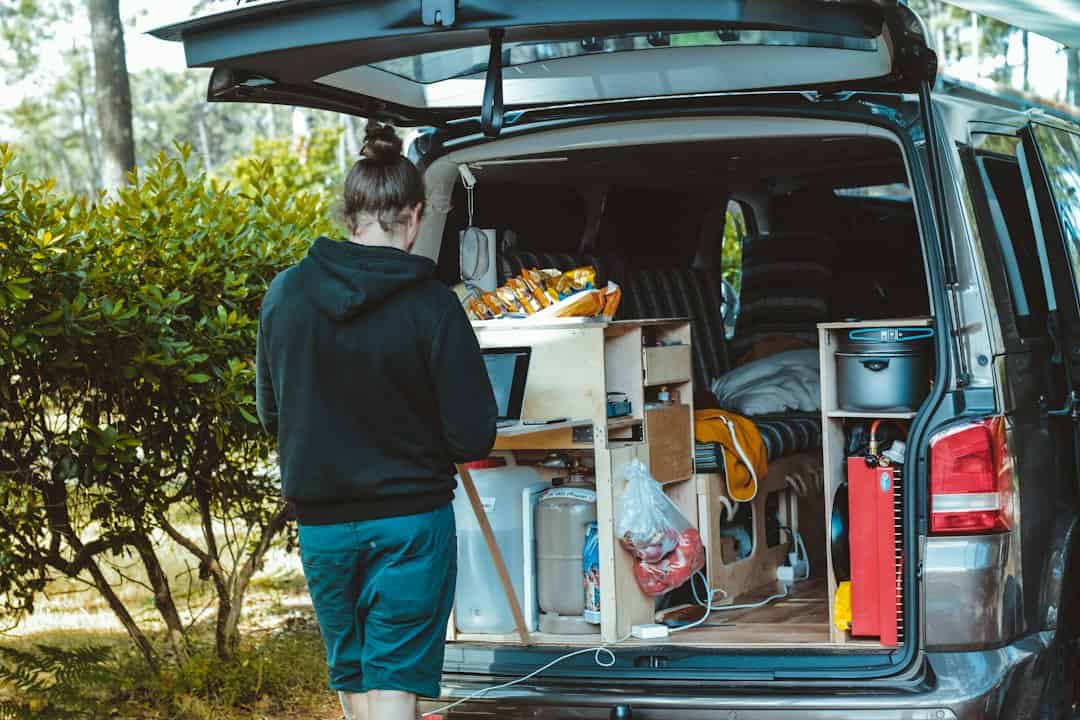
Illustrative photo: Brina Blum / Unsplash.
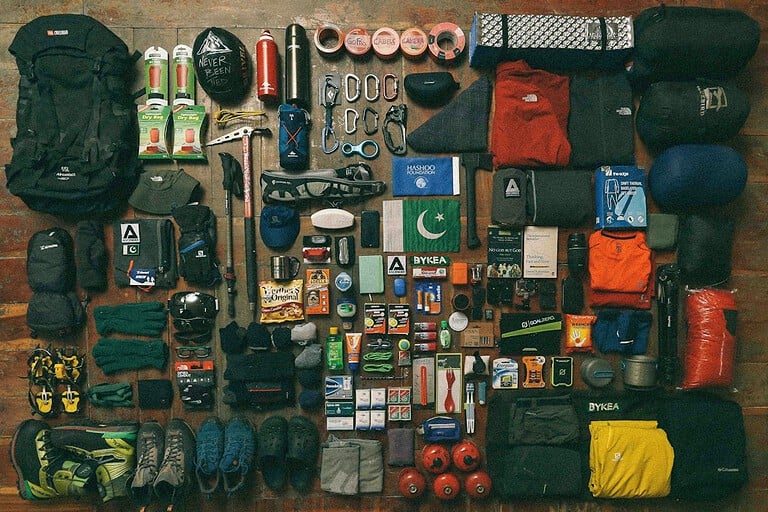
Gather clothing, footwear, electronics and small belongings from sleeping and seating areas. Secure appropriate household objects as instructed by the trailer manufacturer, while leaving passages and exits clear. Check behind pillows, inside drawers and around the entrance for forgotten items. Keep documents and other essentials available for the journey home. Our travel-trailer packing guide offers a separate explanation of storage and loading considerations without substituting for mechanical inspection instructions.
Account for every outdoor item
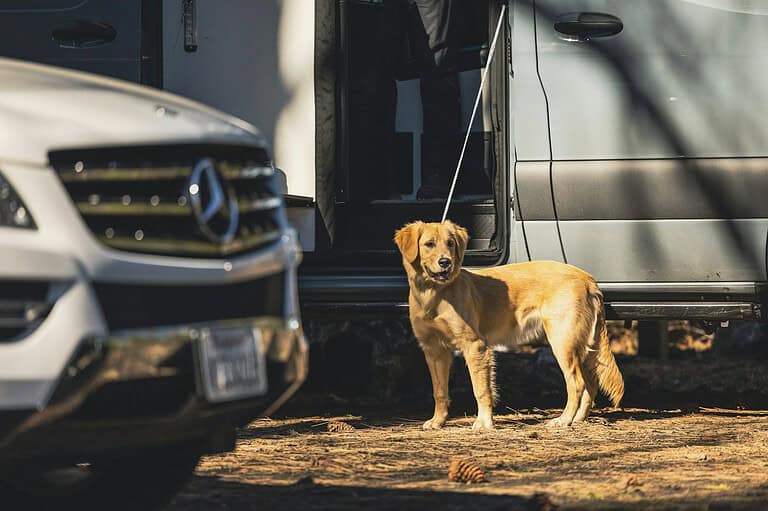
Outdoor chairs, rugs, games, bins and pet gear are easily overlooked, especially if they were spread across the site for several days. Make a small inventory of what arrived and check it before closing storage compartments. Clean up litter, wrappers and food scraps using campground-approved disposal facilities. Do not leave materials in a campfire area or wash wastewater onto the ground. A tidy site is good etiquette and protects wildlife as well as the next guests.
Keep utility and towing checks with competent adults
Different RV models have different requirements for stowing equipment, isolating utilities and reconnecting to the towing vehicle. Follow the manufacturer’s exact instructions and have a trained, responsible adult or professional perform the necessary tasks. Do not treat a generic web checklist as authorization to handle electrical, fuel, wastewater or mechanical equipment. The Camping & RVing BC departure overview can help organize categories, but the equipment manuals remain controlling.
Departure items to check before the wheels move
Add these reminders to your own RV’s travel checklist. They identify what to verify; your manuals determine the safe operating and hitching sequence.
- Interior: latch drawers and cupboards, secure loose items, and set appliances, windows and roof vents for travel as specified.
- Exterior: check that slides, awning, steps, jacks, access doors and storage compartments are fully stowed or secured.
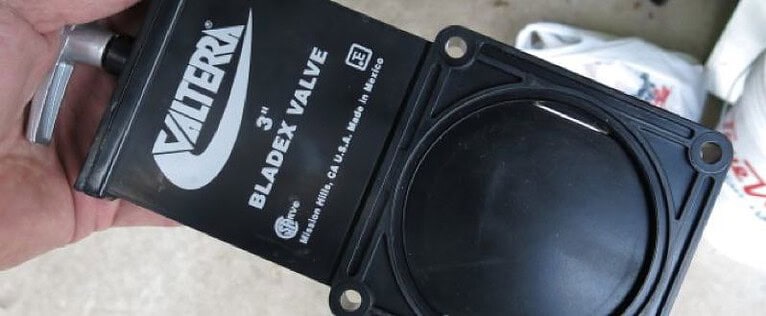
- Connections: confirm water, sewer and electrical equipment is disconnected and packed; check the ground for anything still attached.
- Towing: inspect the coupler or hitch, locking devices, safety chains, breakaway connection and electrical plug as applicable; test brake lights and indicators.
- Road readiness: check tires and pressures against the vehicle instructions, adjust mirrors and secure passengers in approved travel seats.
- Final pause: account for keys, phones, pets and everyone traveling. If interrupted during a safety-critical check, return to the last confirmed step rather than guessing.
For a published overview, see Camping & RVing BC’s departure checklist.
Make the final walk a separate task
Once packing is complete and everyone is clear of the working area, the responsible person should inspect the campsite for forgotten objects or visible concerns. Check with staff before leaving if the site or equipment was damaged, and observe the campground’s departure and gate rules. Do not hurry onto the road because another camper is waiting for the pitch. For the complete arrival-to-departure context, see our travel-trailer campsite setup checklist.
Practical checklist
- Know the official checkout time.
- Assign personal packing tasks, not technical equipment tasks, to helpers.
- Account for every outdoor object and bag.
- Leave food waste and rubbish in approved bins.
- Allow the qualified driver time for full manual-based checks.
Frequently asked questions
Should a final RV walk-around happen before driving?
Yes. It is a useful final inspection step after everything is packed, alongside the full vehicle and trailer checks specified by the manufacturers and completed by a competent adult.
Is a downloadable checklist enough for RV travel safety?
No. Generic lists help organize routines but cannot replace the specific RV, hitch, tow-vehicle and equipment instructions or professional guidance.
The takeaway
A calm departure is one of the best souvenirs of a well-organized camping trip. Give household tasks their own list and keep technical travel preparation in qualified hands.
Before your next departure, consider responsible water use and proper wildlife-aware cleanup when closing the campsite.
Related Wandering RV Life articles
Continue with Full setup checklist, Packing the trailer, Campground etiquette. Consult current local rules and manufacturer documents as appropriate.
Authoritative references
Featured editorial photo: Sean Gatz / Unsplash. Images are illustrative and do not represent firsthand product testing. Updated October 25, 2026.