30 Amp vs 50 Amp RV Electrical Service: What Campers Need to Know
At a campground, “30 amp” and “50 amp” describe different RV shore-power services. The distinction affects which campsite connection suits your RV and how many electrical appliances may operate at once. A typical North American 30-amp RV service provides up to about 3,600 watts; a 50-amp RV service can provide up to about 12,000 watts across two 120-volt legs. Those are idealized capacity figures, not promised usable power at every campsite.
This is an equipment-selection and campground-planning guide, not instructions for electrical installation or testing. Never modify receptacles, rewire an RV, defeat grounding protection or treat an adapter as a capacity upgrade. Damaged equipment or suspected wiring faults require a qualified professional.
30-amp versus 50-amp RV power at a glance
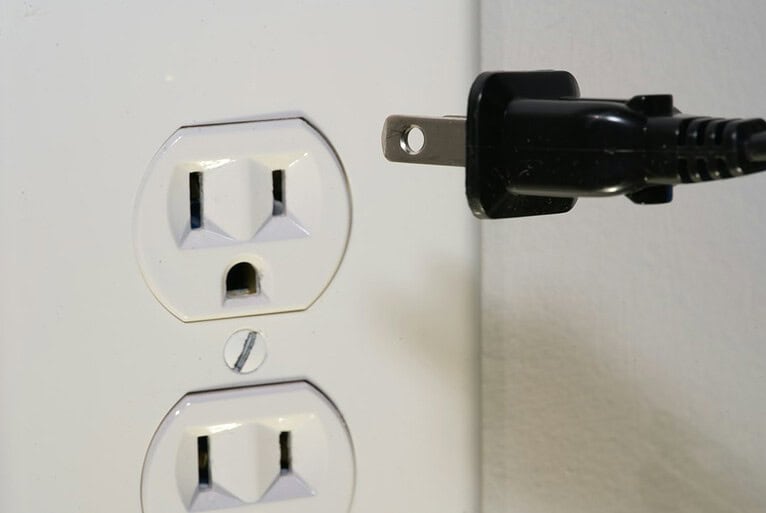
Illustrative photo: Clint Patterson / Unsplash; not a model-specific inspection or electrical installation.
| Feature | Typical 30-amp RV service | Typical 50-amp RV service |
|---|---|---|
| North American receptacle type | RV TT-30 configuration | RV 14-50 configuration |
| Electrical supply | 120 volts, one 30-amp hot leg | Two 120-volt hot legs, up to 50 amps each |
| Approximate maximum power | 3,600 watts | 12,000 watts combined |
| Typical RV use | Many smaller motorhomes and trailers | Many larger RVs with more high-demand appliances |
| What decides compatibility? | The RV manufacturer’s electrical specifications, shore-power cord and campground service | |
These conventional North American service figures are explained by KOA’s 30- vs 50-amp RV guide and its RV electrical overview.
Why 50 amps can provide more than twice the power
The number on the hookup is not the whole story. A common 30-amp RV connection provides 120 volts on one hot leg, so 120 × 30 = 3,600 watts. A standard 50-amp RV hookup has two 120-volt legs, each rated for 50 amps; 120 × 50 × 2 = 12,000 watts in total. This is why a 50-amp RV can often operate more substantial appliances at the same time than a 30-amp RV.
Power availability still depends on the RV’s internal circuits, connected equipment, campground conditions and breaker limits. An RV does not automatically use its entire rated capacity. There is no simple rule that every device in a larger RV may run simultaneously.
What matters at the campsite

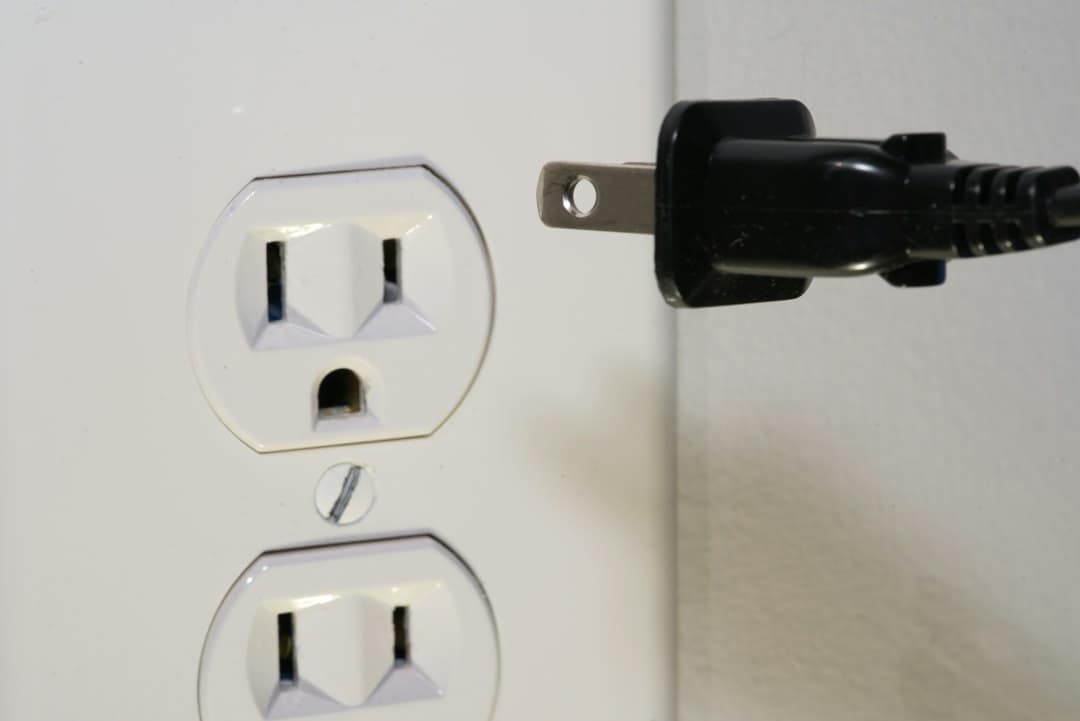
Illustrative photo: Wenying Yuan / Unsplash; not a model-specific inspection or electrical installation.
When your RV is rated for 30 amps
Running several high-demand devices at once can exceed the available supply. Owners may need to choose between appliances such as an air conditioner, water heater or microwave when the total demand is high. Exact usage varies widely. THOR Industries’ overview of RV systems emphasizes matching campsite power to the RV.
When your RV is rated for 50 amps
Many larger fifth wheels and motorhomes have more electrical circuits and appliances. A suitable 50-amp site may better support that design, but the RV’s load-management and circuit limitations still apply. Do not assume an appliance or accessory is compatible simply because the pedestal provides 50-amp service.
Can you use an adapter between different campsite outlets?
Purpose-built, RV-rated adapters exist for some mismatches between an RV cord and available campsite service, but an adapter does not increase the electrical capacity of the lower-rated connection. A 50-amp RV using an appropriate 30-amp hookup remains constrained by the 30-amp supply. A 30-amp RV connected through an approved adapter to a 50-amp pedestal remains limited by its own RV electrical design.
Adapter suitability, protective devices and any power-management restrictions depend on the specific RV and product. Use only manufacturer-approved equipment and ask an RV electrical specialist when uncertain. Do not confuse a TT-30 RV receptacle with an ordinary dryer outlet or assume identical-looking connections are interchangeable.
Check campground listings before reserving
Campground booking descriptions might say “electric,” “30A,” “50A,” “water and electric” or “full hookup.” These terms should be confirmed for the individual site, not only at the campground level. Ask:
- Is my selected site equipped with the shore-power rating my RV requires?
- Is the outlet intended for an RV, and is the pedestal accessible from my site layout?
- Are water, sewer and electrical services all included, or only some?
- Are there any site-specific power limits or restrictions on particular appliances?
- What should guests do if a pedestal is damaged, hot, wet inside, or appears unsafe?
For the bigger picture, read our full versus partial hookup comparison, RV campground reservation checklist and campsite selection guide.
What about electrical management systems?
RV power faults can involve more than a brief voltage spike. A suitable electrical management system (EMS) may detect some adverse conditions such as sustained high or low voltage and disconnect power within its rated capabilities. Products vary, and no single device is a complete substitute for sound electrical infrastructure. Our RV surge protector versus electrical management system guide explains the equipment-selection distinctions.
The RV Industry Association’s grounding-monitor information explains why safe grounding matters and why basic plug-in testers may not identify every fault. If you see burn marks, cracked receptacles, loose outlets, damaged cords or any suspected electrical hazard, do not attempt a repair; notify the campground and use a qualified electrician or RV technician.
Questions campers often ask
Does a 50-amp RV require a 50-amp campsite?
For full use of its intended electrical capacity, generally yes. Some RVs can use an approved lower-capacity hookup with restrictions, depending on manufacturer guidance. Check before booking.
Can a 30-amp RV run two air conditioners?
It depends on the actual units and power-management design; do not assume that both can run together on 30-amp service. Check the RV manufacturer’s load guidance.
Is a 50-amp RV outlet the same as an electric-vehicle outlet?
Some receptacle types may share a physical configuration, but installation, circuit suitability, protective devices and intended use must be assessed individually. A matching shape is not a safety approval.
Will a 50-to-30-amp adapter give my RV more power?
No. It cannot override the lower-rated supply or your RV’s internal limits.
Sources and further reading
- KOA — 30- vs 50-amp RVs
- KOA — RV Electrical 101
- THOR Industries — How RV water and power systems work
- RV Industry Association — Grounding monitor information
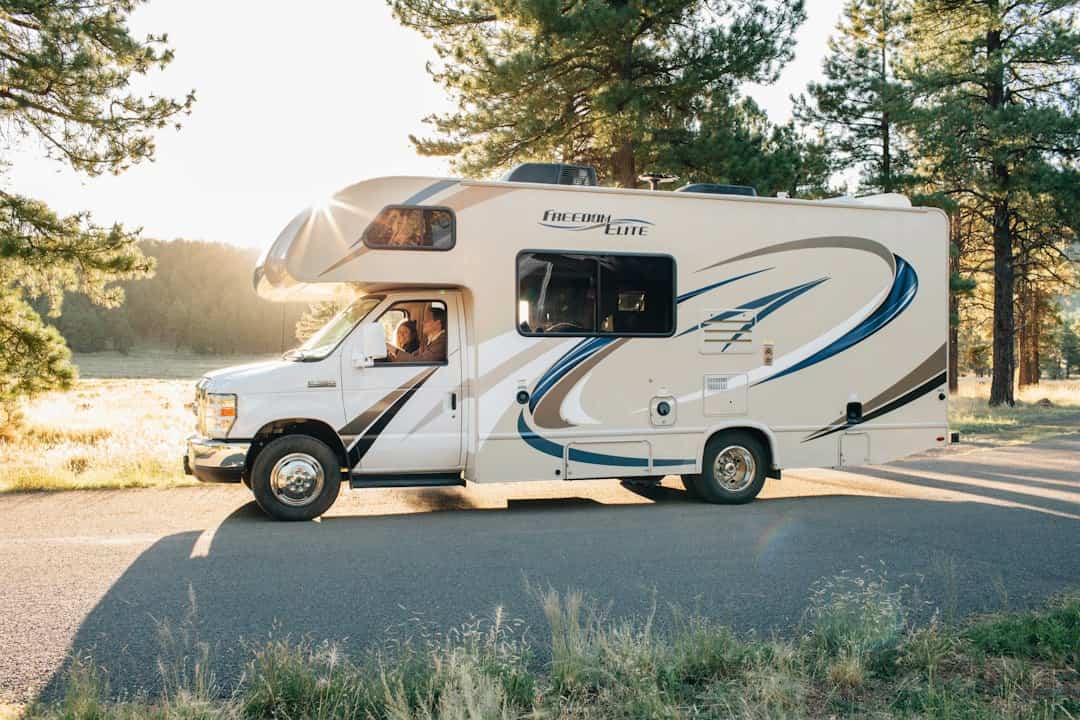
Research-based explainer, not an electrical inspection, wiring guide or a test of campsite pedestals. Sources reviewed October 26, 2026. The featured image, if shown, illustrates RV camping rather than an identified electrical service.