
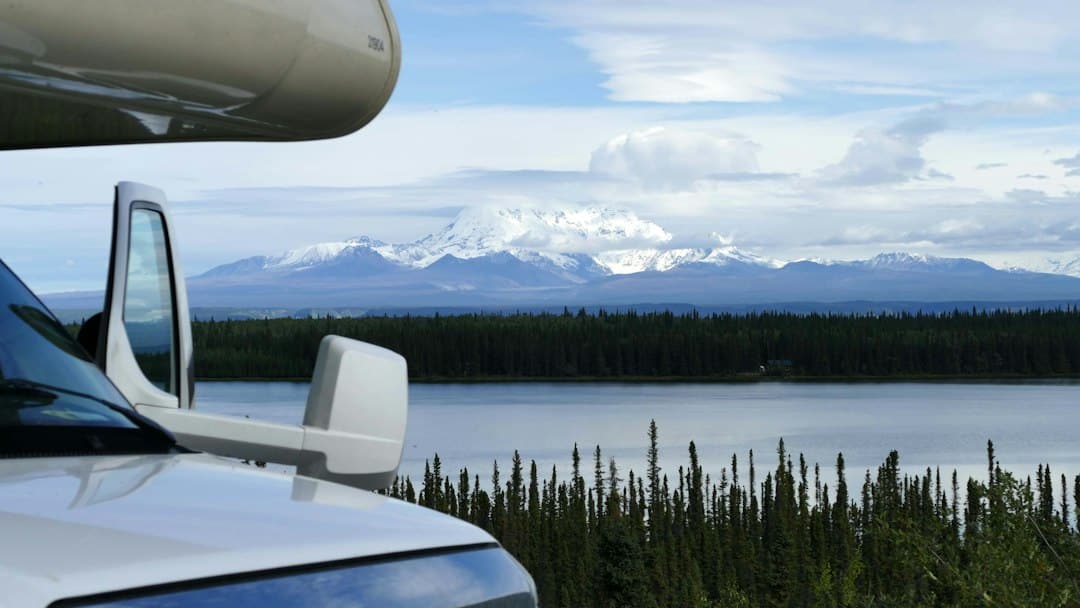
Campground reservation forms often ask you to select full hookup, partial hookup or an unserviced campsite. The labels sound straightforward until you arrive and discover that the water tap or dump station is somewhere else in the park. The important difference is which facilities are at your actual site, which are shared, and what your RV can comfortably support. Here is a decision-focused guide without assuming that every park uses exactly the same terms.
Quick answer: Full hookups usually offer power, drinking-water supply and sewer at the pitch; partial hookups offer some but not all; dry camping generally has no individual hookups. Confirm the specific listing.
At a glance
| Category | What to consider | Why it matters |
|---|---|---|
| Full hookup | Usually power, water, sewer at pitch | Convenience, often higher fee |
| Partial hookup | Some combination of services at pitch | Balance of convenience and cost |
| Dry or unserviced | Usually no pitch hookups | More reliance on onboard supplies and shared facilities |
What a full-hookup site typically means
At many campgrounds a full-hookup RV pitch includes connections for electricity, water and sewer. But amenities may vary, including the type of electrical service and whether water is considered potable. A full-hookup designation does not guarantee Wi-Fi, cable television, a picnic table or an entirely level surface. Read the listing and consult your equipment manual about compatibility. Do not connect to damaged electrical or water equipment; ask the campground operator or an appropriate professional to address unsafe conditions.
What a partial-hookup site can include
Partial sites commonly provide a subset of services, such as electricity with water available at a central tap, or water and power but no sewer outlet at the pitch. Sometimes the word “serviced” means less than travelers expect. Verify what is supplied at your exact site and where the dump station and potable-water source are located. A partial site can be a comfortable choice for a short trip if you know the limitations in advance and use campground facilities respectfully.

What dry camping means in a campground
A dry or unserviced pitch generally has no water, electric or sewer connections at the site. That does not mean there are no services anywhere in the campground; toilets, safe drinking water or a dump station may be available elsewhere. You need an RV and plans suited to the limits of your own stored water and energy resources. Check the water-conservation guide for low-waste habits, and use a verified safe drinking-water source as advised by the CDC.
Compare cost and convenience realistically
Full hookups may suit longer stays or travelers who depend on particular equipment, but they can cost more and may not be necessary for a short outing. An unserviced scenic site might offer quiet and fewer neighboring rigs, while a serviced park may provide showers and other conveniences. Compare the total price after any booking fees, not just the base rate. Also consider how close the designated facilities are, especially when people in your group have mobility needs.
Make the choice from your actual routine
Think about how long you will stay, who is traveling, weather conditions and the activities planned away from the campsite. A two-night trip spent hiking will create different day-to-day needs from a week spent mostly at the trailer. Before booking, confirm exact hookups, access, water safety, park rules and any equipment restrictions. For a complete selection checklist see our RV campsite comparison guide.
Practical checklist
- Confirm services at the exact site, not only park-wide amenities.
- Ask whether shared water is suitable for drinking.
- Check the location of approved wastewater facilities.
- Compare the final fee and length of stay.
- Use manufacturer guidance for your RV equipment.
Frequently asked questions
Is partial-hookup camping the same everywhere?
No. One campground might supply power only, while another supplies power and water. Verify the site-specific amenity list before booking.
Does dry camping always mean wilderness camping?
No. Many managed campgrounds offer unserviced pitches with restrooms or shared facilities nearby. The term describes hookups at the pitch, not necessarily remoteness.
The takeaway
Choose the services that match the trip you are planning rather than automatically reserving the largest package. Good information about the individual pitch is more valuable than the headline label.
Different hookup choices affect water planning for unserviced camping. The windy-weather guide helps you decide whether exposed sites are suitable during a changing forecast.
Related Wandering RV Life guides
Continue reading: Choose an RV campsite, Conserve water at a campground, RV fresh-water tank care. These topics work together, but your own trailer manual and campsite rules always take precedence.
Helpful references
Editorial images are illustrative; featured photograph: RV Editorial 04 – Full Hookup vs Partial Hookup Camping – Joris Beugels / Unsplash. No products were independently tested for this article. Updated October 25, 2026.