
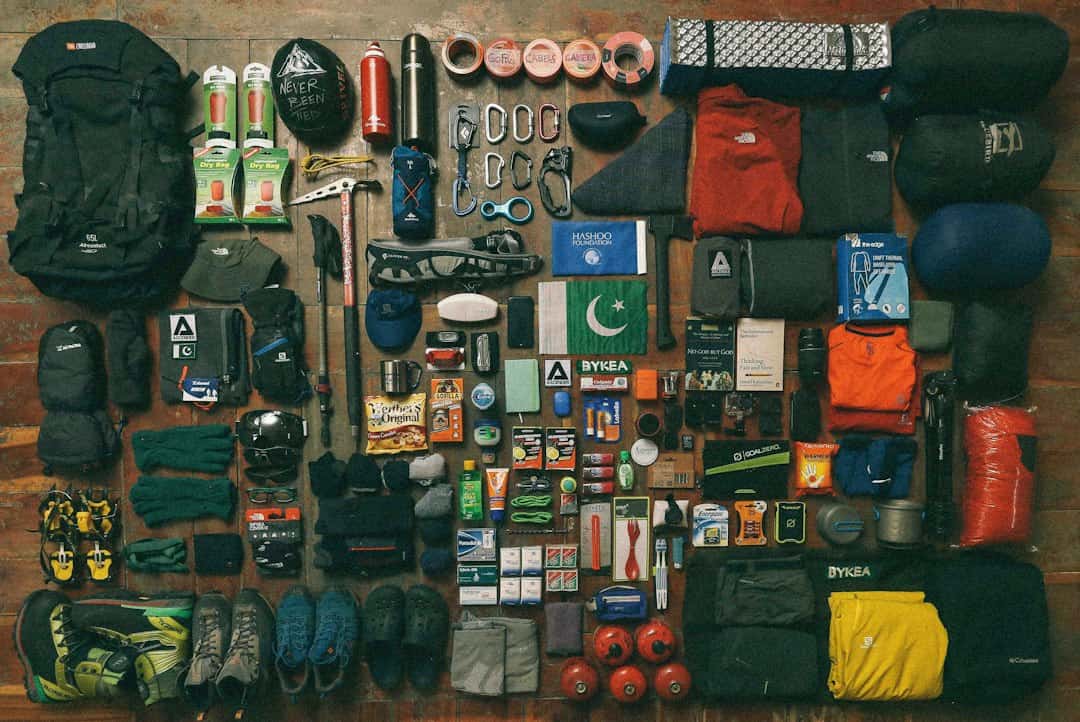
A well-organized trailer at the campsite can become untidy after travel if loose articles have nowhere secure to go. Preparing for departure is not only about remembering the outside chairs. It also means thinking about what could move inside, what must remain accessible and which travel checks belong with the responsible driver. Every trailer is different, so this is a planning checklist rather than a substitute for manufacturer-specific towing and equipment procedures.
Quick answer: Store loose belongings in approved compartments, keep doors and exits clear, separate personal packing from vehicle checks, and have a qualified responsible person complete the manufacturer’s departure checklist.
At a glance
| Budget or task area | What to plan | Why it matters |
|---|---|---|
| Interior | Loose items, cabinets, bedding, personal bags | Avoid shifting belongings |
| Exterior | Compartments and optional campsite gear | Nothing forgotten outside |
| Tow and vehicle | Manufacturer and qualified-driver inspection | Roadworthiness before travel |
Separate living-space organization from road checks
One person can gather clothing and kitchen items while the responsible driver follows the RV and tow-vehicle manuals for technical inspections. Do not assume that packing pillows and locking cupboards means the trailer is ready to travel. The mechanical connection, braking-related equipment, tires and lights require the appropriate checks by someone competent to perform them. Keep a list for both groups so household tasks do not distract from the critical vehicle responsibilities. Camping & RVing BC provides a useful overview.
Make loose items predictable
A mug on the counter, an unsecured storage box and a bag on the floor are common signs of a rushed departure. Give each everyday object a safe, approved location before traveling. Check that cabinet doors and drawers close securely and do not leave items blocking passageways or exits. Some appliances and furniture have their own transit rules; follow their manuals. Heavy objects need particular attention to manufacturer-approved storage and loading guidance rather than being placed wherever there is empty space.

Keep an inventory of outdoor gear
Choose one place for each outdoor item and check it before departure. Chairs, mats, hoses, tools and small personal belongings are easier to overlook when the campsite is busy. Do not leave gear or waste behind. If you have multiple storage compartments, write a short list of what usually belongs in each. A simple inventory also makes it easier to discover missing equipment before the next trip. Our small-trailer storage guide focuses on everyday organization that supports this routine.
Respect trailer loading and weight limitations
A trailer’s capacity and safe loading arrangements are model-specific. Never assume that an item is safe to carry merely because it fits a cupboard, or that a heavy bag can be moved far rearward without affecting the vehicle. Consult the manufacturer’s instructions and a qualified RV professional when uncertain. Do not modify structural storage, restraints or hitch equipment based on casual internet examples. This article deliberately avoids a one-size-fits-all loading formula because the correct limits depend on the rig and its rated components.
Finish with an unhurried departure review
Leave a short period for a separate final campsite walk and driver inspection. Check for litter, forgotten personal items and things left hanging or unsecured; then allow the responsible adult to complete the full manufacturer travel procedure. People can help by making sure the path is clear and confirming that personal gear has been accounted for. For a complete site-based sequence read our RV departure checklist. A repeatable routine beats trying to remember everything in the last minute.
Practical checklist
- Separate household packing from technical vehicle checks.
- Give loose objects assigned approved storage.
- Keep doors, passageways and exits clear.
- Confirm every outside item has been collected.
- Use the specific trailer and tow-vehicle manuals.
Frequently asked questions
Is the same packing routine suitable for every travel trailer?
The organization principles are widely useful, but securement and loading limits are equipment-specific. Always defer to the manuals and qualified guidance for your rig.
Can I keep heavy belongings in any unused cabinet?
No. Follow weight limits and distribution requirements; available space alone does not establish a safe carrying location.
The takeaway
Consistency makes packing easier. Keep a short personal checklist, avoid clutter and separate nontechnical belongings from the critical checks completed by the qualified driver.
Related RV guides
Read next: RV departure checklist, Small trailer storage, Travel trailer setup checklist. Check equipment manuals and campground rules where applicable.
Further reading and sources
Featured editorial photo: Muhammad Masood / Unsplash. Images are illustrative; this article does not claim firsthand product tests. Updated October 25, 2026.