
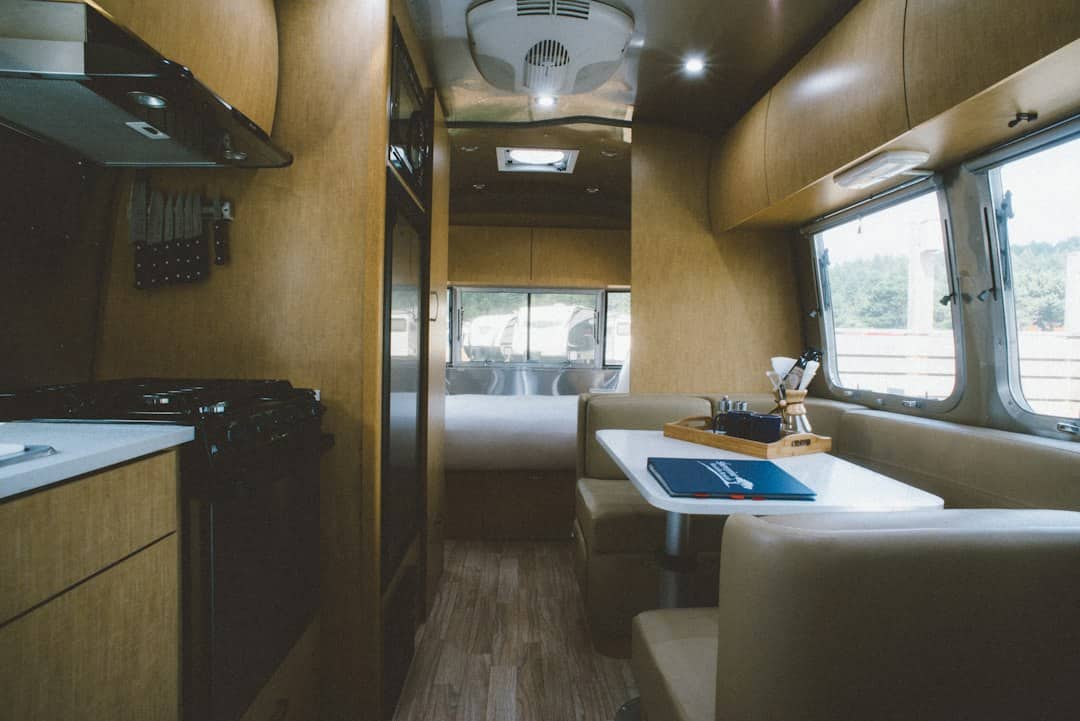
Small trailers reward a little planning. The cabinet you can barely reach and the bag that always ends up on the dinette are signs that the storage system does not fit the way you camp. Instead of filling every corner with organizers, start by deciding what you need each day and where it belongs. Good small-trailer storage keeps common items easy to find, heavy objects where the manufacturer intends, and the walking space clear.
Quick answer: Create daily-use zones, pack less, keep heavier gear in approved locations, use soft storage where suitable and avoid adding hardware without checking the trailer construction.
At a glance
| Situation | What to check | Why it matters |
|---|---|---|
| Entry zone | Shoes, rain layers, small cleanup kit | Keeps dirt and wet gear contained |
| Kitchen zone | Daily dishes and a short menu kit | Reduces searching and duplicate items |
| Bed or seat area | Bedding and lightweight personal supplies | Preserves comfortable living space |
Audit what actually lives in the trailer
Before buying bins, empty one area at a time and sort contents into frequently used items, seasonal gear and things that should leave the trailer. Count duplicates such as spare mugs, cords or large cookware sets. A compact kit can still be comfortable when everything earns its space. Remember that cupboards, drawers and under-seat compartments may have load restrictions, and not every cavity is suitable for storage. Follow the manufacturer’s instructions before placing anything near electrical, fuel or mechanical equipment.
Give high-use objects a predictable place
Everyday essentials should be accessible without shifting multiple bags. An entry tray for shoes, a pouch for reservation documents and a small shelf area for dining supplies can prevent a surprising amount of clutter. Keep chargers and personal items together, but do not run cables across walkways or exits. A separate place for dirty laundry helps keep clean bedding dry. Test the arrangement while the trailer is parked and again after normal travel; the goal is to reduce searching, not create a photo-perfect interior that is difficult to maintain.
Use organizers cautiously
Soft bags, removable baskets and drawer dividers can be helpful when they fit securely. Avoid obstructing ventilation openings, inspection panels or access to safety equipment. Do not assume that a household adhesive hook or shelf will remain secure during towing; follow product and trailer guidance. A little empty space is useful because camping involves wet coats, groceries and items brought back from day trips. Consider the route for carrying bags inside: a storage improvement that narrows the door opening is probably not an improvement.
Balance storage with trailer loading limits
Where you store an item matters as much as whether it fits. Heavy equipment should not simply be moved to the highest cabinet or far rear of the trailer to free floor space. Follow the trailer manufacturer’s loading and distribution guidance and consult a qualified RV technician when uncertain. Keep loose articles secured so they do not shift in transit. Our packing and securing a trailer article focuses on departure preparation rather than decorative organization.
Review the layout after a real weekend
Pay attention to recurring inconveniences. If everyone drops jackets on one seat, the entrance needs a better jacket zone. If the kitchen counter becomes a storage shelf, a few utensils or appliances may need to go. Make one change at a time so it is clear whether it helps. Ask each traveler which items were hard to locate, and keep a written inventory of items that always belong in the trailer. An effective system evolves with your camping habits.
Practical checklist
- Keep exits, vents and service access clear.
- Give daily-use objects one easy-to-reach location.
- Reduce duplicate kitchen and cleaning gear.
- Respect storage-compartment and payload limits.
- Reassess after each trip before buying more organizers.
Frequently asked questions
Are under-bed compartments good for heavy items?
Not automatically. Check structural access, ventilation requirements, weight limitations and the manufacturer’s loading guidance before assigning heavy gear to any compartment.
Do I need custom cabinets to organize a small trailer?
Usually not as a first step. Try reducing the number of objects and using removable, secure organizers before considering structural modifications.
Takeaway
The most useful storage improvement is often removing what you rarely use. Focus on dependable routines, a clear aisle and a layout that makes the trailer pleasant to live in.
If gear repeatedly comes back damp, use our RV condensation guide to investigate moisture rather than hiding it in a storage bin.
Related guides
Continue reading: First-time packing list, Secure a travel trailer for the road, Arrival-to-departure setup. Use your own trailer manual and campground rules for equipment-specific requirements.
Sources and further reading
Illustrative featured photo: Blake Wisz / Unsplash. No products were independently tested for this article. Updated October 25, 2026.