
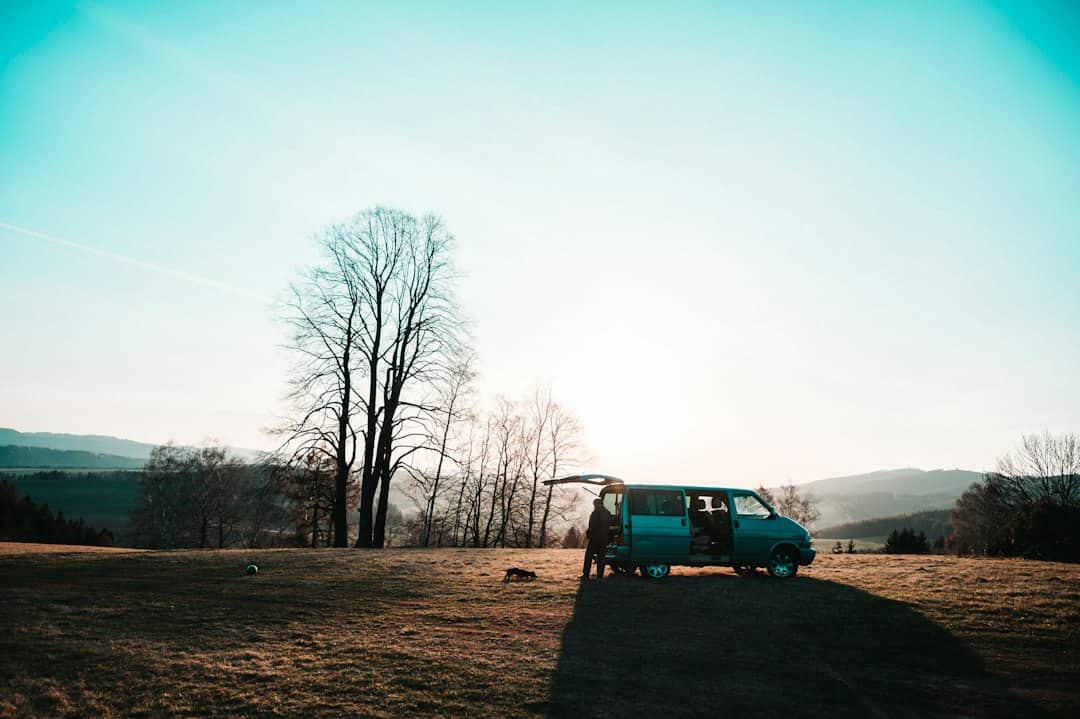
A breezy campground afternoon is different from a high-wind warning. Travel trailers and motorhomes have large surfaces exposed to gusts, and weather can affect both the road and the parked campsite. Planning should start with the official forecast, not a guess about how sheltered the pitch feels. This article focuses on decisions, warning signs and when to seek a safer alternative rather than offering unverified instructions for securing or operating equipment in dangerous conditions.
Quick answer: Check the official forecast and warnings before traveling, review site exposure and manufacturer guidance, know suitable shelter options, and reschedule or leave when conditions are unsafe.
At a glance
| Stage | Focus | Reason |
|---|---|---|
| Before departure | Forecast and high-wind alerts | Travel may need to be delayed |
| At the campground | Exposure, falling branches and park guidance | Location changes risk |
| Severe weather | Safer shelter and staff instructions | An RV may not be adequate protection |
Treat high-wind warnings as a planning decision
The National Weather Service warns that RVs and trailers are not safe shelter from strong winds and notes that severe gusts can be hazardous whether a vehicle is parked or moving. If damaging winds are forecast, consider rescheduling rather than attempting to prove the trailer can withstand them. Keep weather warnings enabled and understand the local alert system. Review the campground’s cancellation or evacuation policy before leaving home, particularly in exposed coastal or mountain areas.
Recognize the difference between shelter and exposure
A campsite surrounded by trees may seem protected, but falling limbs and unstable trees also create hazards. An open area can experience stronger gusts, and terrain can change wind behavior over surprisingly short distances. Do not position a trailer based solely on a pleasant weather photograph or the assumption that trees always improve safety. Ask the campground operator about known weather concerns and follow any temporary site closures. Choosing a safe location is a priority over choosing a scenic one.
Know your equipment’s limitations
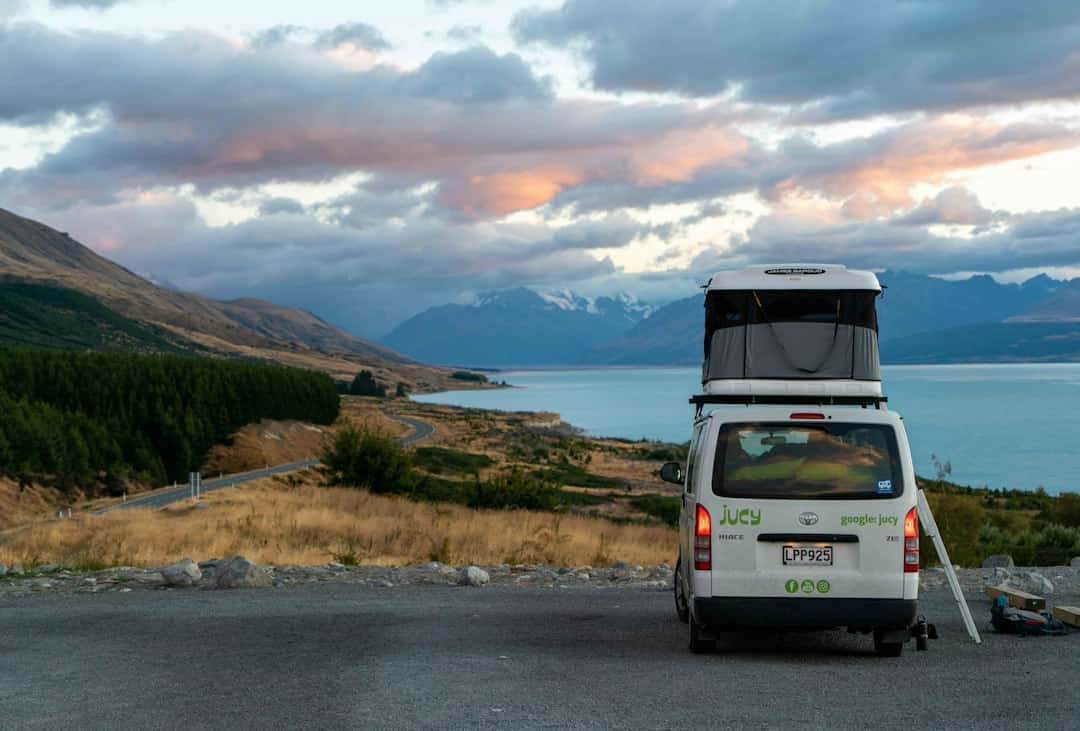
An awning, roof accessory and outdoor furniture have specific manufacturer operating limits. Follow the manuals and seek professional assistance if equipment is damaged or its safe condition is unclear. This guide does not recommend improvised anchoring, structural modifications or attempts to stabilize a trailer during severe weather. If winds are strong enough to prompt official warnings, focus on appropriate shelter and instructions from local authorities rather than troubleshooting mechanical components outdoors.
Plan a calm alternative before conditions deteriorate
Review nearby public shelters, campground procedures and whether an alternate date is possible. If staff issue an evacuation instruction, follow it promptly. Towing in severe weather also requires qualified judgment and should never be rushed to avoid losing a booking fee. A flexible itinerary, an accessible phone number and awareness of weather reports are more valuable than assuming any particular RV can remain safe in every storm. Our rainy-weather planning guide discusses additional drainage and visibility concerns.
Reassess conditions after the weather passes
Even after a warning ends, the campsite may contain debris, damaged trees or unsafe ground conditions. Follow campground reopening notices and avoid damaged equipment until it is assessed. Photograph any concerns for documentation without entering a hazardous area. If conditions are not clearly safe, discuss relocation or departure with campground staff. Travel plans can be changed; a trailer, tow vehicle or outdoor setting should not be treated as a storm shelter against official advice.
Practical checklist
- Read official wind forecasts before committing to travel.
- Ask campgrounds about exposed sites and weather procedures.
- Follow manufacturer limitations for awnings and equipment.
- Do not shelter in an RV during dangerous wind conditions.
- Change or cancel plans when conditions require it.
Frequently asked questions
Is a parked RV safe during a high-wind warning?
Not necessarily. The National Weather Service warns that RVs and trailers can be unsafe in strong winds. Follow local warnings and seek an appropriate safer shelter.
Should I drive away immediately when wind rises?
Avoid rushed decisions. Follow official and campground instructions, and let a qualified driver assess safe travel conditions rather than assuming travel is preferable to sheltering.
The takeaway
The best weather plan includes permission to change the trip. Forecasts, warnings and appropriate shelter matter more than finishing a scheduled camping weekend.
Related Wandering RV Life articles
Continue with Rainy-day RV camping, Choose an RV campsite, Two-night RV weekend trip. Consult current local rules and manufacturer documents as appropriate.
Authoritative references
Featured editorial photo: Jan Kopřiva / Unsplash. Images are illustrative and do not represent firsthand product testing. Updated October 25, 2026.