
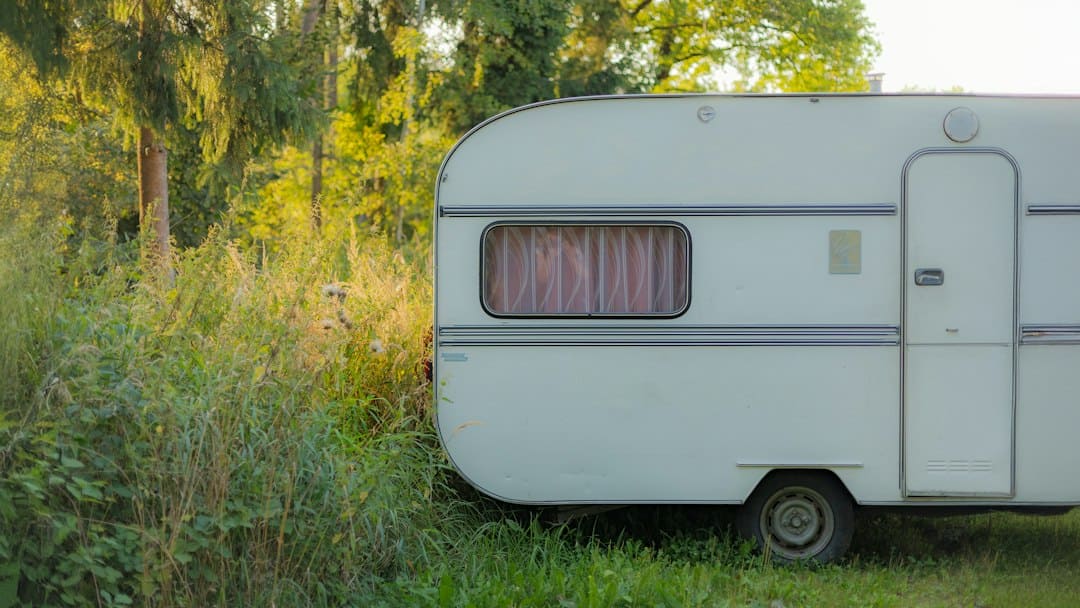
Rain does not automatically ruin an RV weekend. The difference between an enjoyable wet-weather stay and a stressful one is often a few simple choices: where the trailer is parked, how shoes and jackets enter the living area and whether the day’s activities can change with the forecast. You do not need an elaborate storm setup to stay comfortable, but severe-weather warnings must always take priority over the vacation plan.
Quick answer: Check weather alerts and drainage before arrival, protect the entrance from tracked-in water, keep wet items separate and have an indoor plan. Leave unsafe conditions rather than trying to wait them out.
At a glance
| Situation | What to check | Why it matters |
|---|---|---|
| Before travel | Forecast, warnings, access roads | Know whether the campground remains suitable |
| At the site | Ground drainage and walking surface | Avoid standing-water trouble spots |
| During the stay | Wet-gear zone, dry clothes, activities | Keep living space comfortable |
Choose a site that can cope with rain
Inspect the ground before positioning a trailer. Look for puddles, obvious drainage channels, muddy edges and low spots where rainwater collects. Avoid locations close to streams, gullies or other flood-prone terrain. The National Weather Service camping flood guidance stresses checking forecasts and staying away from rapidly rising water. If a warning or campground instruction calls for evacuation, follow it promptly. A scenic waterfront position is never worth ignoring a flooding advisory.
Create a transition zone by the door
A washable mat, a designated spot for shoes and a small container for wet clothing can protect the rest of the living space. Do not pile damp gear against walls, vents or equipment. Keep a dry towel accessible without walking through the trailer to reach it. Even a tiny entry area can work when everyone follows the same routine. Check floor coverings and cabinets for hidden moisture after prolonged rain; a musty smell is a reason to investigate rather than cover it with fragrance.
Manage damp air, not just wet clothing
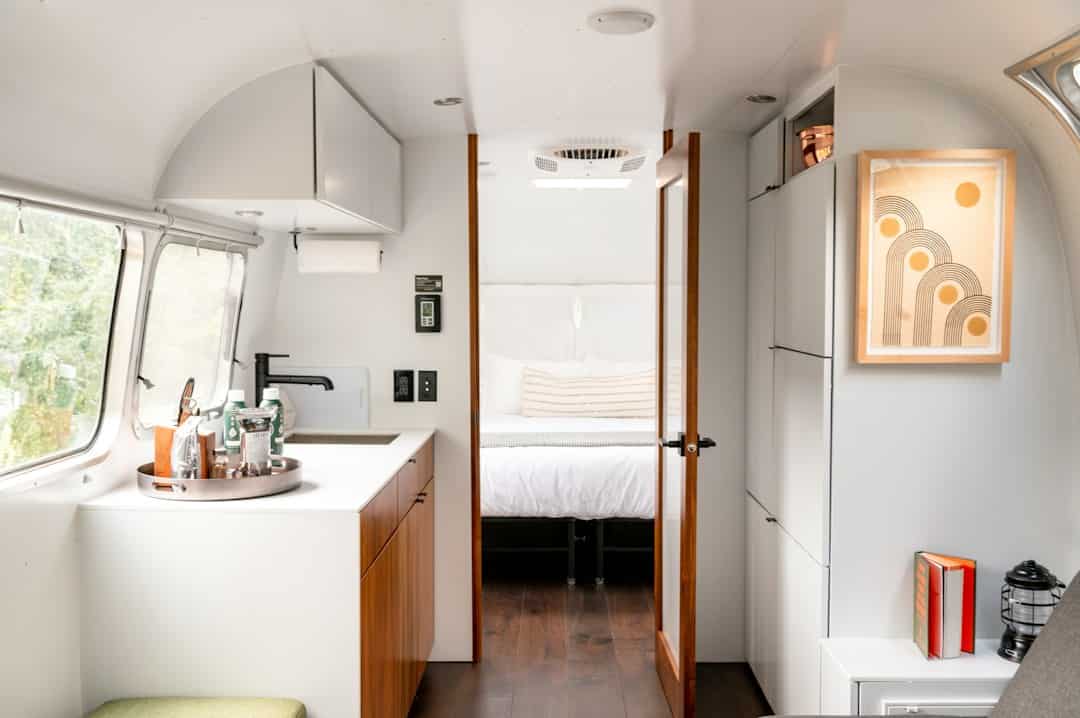
Cooking, showering and hanging wet clothes indoors can increase humidity in a compact trailer. Use approved ventilation and climate-control equipment as directed, and inspect windows and corners for condensation. The RV condensation guide explains the difference between surface moisture and leaks. Avoid blocking vents to keep warm; ventilation needs vary by appliance and RV design. If visible water intrusion occurs, identify its cause and ask a qualified service professional to assess damaged materials.
Keep a flexible rainy-day plan
Good rainy-day activities include reading, board games, quiet crafts, local indoor attractions and short outings when conditions permit. Keep a separate waterproof bag for books or small electronics rather than leaving them in the entryway. If traveling with children or dogs, plan for more frequent breaks and clean-up time. Check campground restrictions on common rooms before assuming they will be available. Let weather determine the schedule instead of forcing every planned outdoor activity into a rainy afternoon.
Know when conditions are more than inconvenient
Heavy rainfall, rising water, hazardous winds and lightning are not ordinary camping inconveniences. Monitor local forecasts and warnings, follow the campground’s emergency instructions and seek appropriate shelter. Never drive into floodwater or remain near unstable slopes to save a reservation. The point of preparing for rain is to enjoy typical wet weather—not to normalize dangerous conditions. Once things improve, inspect equipment and dry damp materials before storing them.
Practical checklist
- Check forecasts and warnings before departure.
- Avoid low or poorly drained sites.
- Use a clear spot for shoes and wet layers.
- Keep damp items from blocking ventilation.
- Prepare an indoor activity option and an evacuation plan.
Frequently asked questions
Is it okay to camp in an RV during heavy rain?
Ordinary rain can be manageable, but heavy rain and flood warnings require a location-specific decision. Follow weather alerts and campground instructions; do not stay in an area with rising water or unsafe access.
How do I stop a trailer from feeling damp after rain?
Separate wet clothing, use suitable ventilation and identify leaks quickly. Consult the RV manual for heating and ventilation limits and address persistent moisture rather than masking it.
Takeaway
A comfortable rainy camping trip is less about elaborate equipment and more about a clear entrance, realistic activities and awareness of changing conditions. If the forecast turns serious, the safest camping plan is the one you are willing to change.
Weather planning also includes knowing when to reschedule a windy campsite stay. Keep outdoor food storage appropriate for the location with our campground wildlife guide.
Related guides
Continue reading: RV condensation prevention, Choosing a campsite, Campground departure checklist. Use your own trailer manual and campground rules for equipment-specific requirements.
Sources and further reading
Illustrative featured photo: Pál Attila Tóth / Unsplash. No products were independently tested for this article. Updated October 25, 2026.