
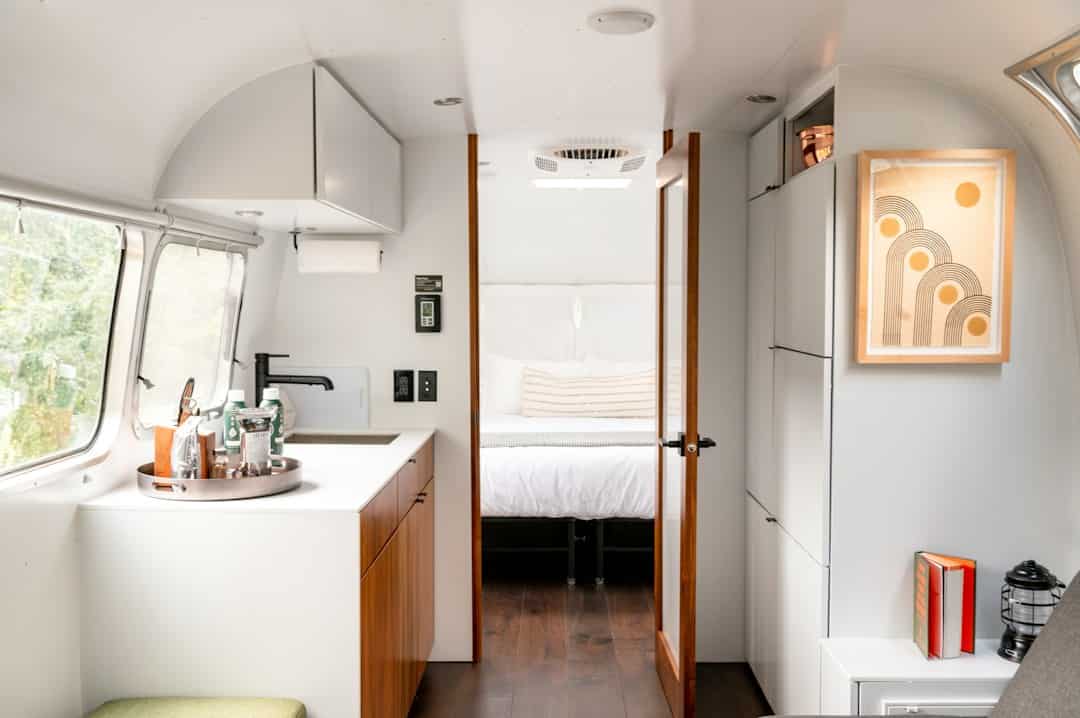
A little moisture on an RV window after a cool night may be condensation rather than a leaking roof. Warm indoor air carries moisture that can collect when it meets a colder surface. In a travel trailer, cooking, showers and wet clothing all add humidity to a relatively small space. Repeated dampness deserves attention because prolonged moisture can damage finishes and support unwanted biological growth. Here is a sensible checklist for recognizing the problem without mistaking every wet patch for the same cause.
Quick answer: Check where moisture appears, reduce everyday sources of humidity, use manufacturer-approved ventilation, dry damp surfaces promptly and investigate recurring wet areas for possible leaks.
At a glance
| Situation | What to check | Why it matters |
|---|---|---|
| Window droplets after cold night | Possible condensation | Observe humidity and ventilation |
| Stain after heavy rain | Possible water intrusion | Inspect and arrange professional evaluation |
| Persistent musty odor | Potential trapped moisture | Identify and correct the moisture source |
Understand why windows become wet
Air can hold different amounts of moisture depending on temperature. A cool window or wall can collect moisture from humid indoor air, particularly overnight. The EPA explains the same process in buildings. Do not assume that every droplet means the window seal has failed, but also do not dismiss repeated water pooling under the sill. Keeping a note of weather, temperature and where dampness occurs may help identify a pattern.
Look at the everyday sources of humidity
Cooking, showering, washing dishes and drying clothing indoors can all add moisture. A compact RV interior has less air volume than a house, so the effects may become noticeable quickly. Place damp jackets where they can dry safely and avoid storing them against upholstery or unventilated walls. Never cover appliance ventilation openings to trap warmth. Follow the RV and appliance manufacturers’ instructions for safe ventilation and climate control, particularly where fuel-burning equipment is installed.
Improve ventilation within your RV’s limits
When weather and outdoor air quality permit, appropriate airflow can help reduce indoor moisture. Use manufacturer-approved fans or vents as directed and keep existing vents unobstructed. Humidity control is not as simple as opening everything in a storm; very damp outdoor air may not help. If you use a dehumidifier, choose one compatible with the RV’s electrical limits and follow its maintenance instructions. An inexpensive humidity monitor may help you spot trends, but readings do not replace checking for hidden leaks.
Treat damp materials promptly
Water left against window trims, cushions or cupboards can cause lasting problems. Dry accessible wet surfaces and investigate the cause as soon as practical. The EPA advises prompt attention to moisture and appropriate professional help for extensive damage. Do not simply seal or paint over wet materials. If you suspect a roof, plumbing or window leak, seek an RV service professional rather than making assumptions based only on a stain.
Make checks part of the camping routine
Inspect window edges, mattress corners and enclosed storage areas on longer trips and after substantial rain. Ensure bedding is not trapping dampness against cold surfaces and keep safe airflow paths open. When preparing to store the trailer, check that soft goods and cupboards are dry and that water problems have been addressed. Our rainy-day camping guide covers entryway and wet-gear organization.
Practical checklist
- Notice when and where dampness develops.
- Dry accessible wet surfaces promptly.
- Keep approved ventilation routes unobstructed.
- Investigate stains that follow rain or recur in one location.
- Seek professional help with persistent leaks or extensive damage.
Frequently asked questions
Is condensation on an RV window always a leak?
No. Window droplets can form when humid indoor air meets cool glass. Persistent staining, damp wall materials or moisture tied to rain should be evaluated separately.
Should I block vents to keep a trailer warmer?
No. Ventilation openings may be essential for equipment and occupant safety. Follow the RV and appliance manuals and use approved heating and climate-control arrangements.
Takeaway
Moisture control works best as an early-warning habit. Notice patterns, manage everyday humidity and treat any unexplained dampness as something to investigate rather than ignore.
Before a trip without water hookups, see our water-planning guide. Severe weather requires different decisions; the windy-weather article covers when to change plans.
Related guides
Continue reading: Rainy-day RV camping, Small trailer organization, Fresh-water tank safety. Use your own trailer manual and campground rules for equipment-specific requirements.
Sources and further reading
Illustrative featured photo: Andrea Davis / Unsplash. No products were independently tested for this article. Updated October 25, 2026.