

For a first getaway, two nights can be a sweet spot: enough time to settle in, one full day for the destination and a manageable amount of preparation. But even a short trip can feel rushed if the campground is far away or the itinerary is packed with attractions. The trick is to plan around the time you will actually have at camp, not the weekend you imagine when looking at scenic photographs.
Quick answer: Choose a reachable campground, book the right site, reserve one main activity, keep meals simple and protect enough time for arrival and departure checks.
At a glance
| Budget or task area | What to plan | Why it matters |
|---|---|---|
| Friday or arrival day | Travel, check in, simple dinner | Reduce setup pressure |
| Full day | One main activity and free time | Enjoy the destination |
| Departure day | Breakfast, checklist, travel home | Avoid rushed packing |
Pick a destination that fits two nights
Choose a travel distance that leaves a comfortable arrival window and does not make the return trip exhausting. Consider road restrictions applicable to the RV and whether a nearby campground will give you more time outdoors than a distant landmark. Look for a place with one or two activities everyone genuinely wants to do. Weather alternatives matter, especially for shoulder-season trips. Review the park’s current notices and do not assume that photographs from summer reflect conditions in October.
Book the campground around your routine
The best site for a short getaway may be the one with easy arrival and nearby facilities rather than the most private pitch. Check access, trailer size limits, exact hookups and check-in times. A late arrival policy is especially relevant if travel begins after a workday. Our RV reservation guide and site-selection checklist cover these details. Keep the campground contact number and directions available offline in case coverage is weak.
Keep activities deliberately light
Plan one main outing for the full day and an optional second idea if the weather is good. A scenic walk, visitor center, shoreline view or easy family activity may be enough. Check accessibility, opening dates and any required bookings before departure. Leave unscheduled time at the campsite for a meal, reading or conversation. Overscheduling can make a weekend feel like a long drive between reservations rather than a break from routine.
Make meals and equipment uncomplicated
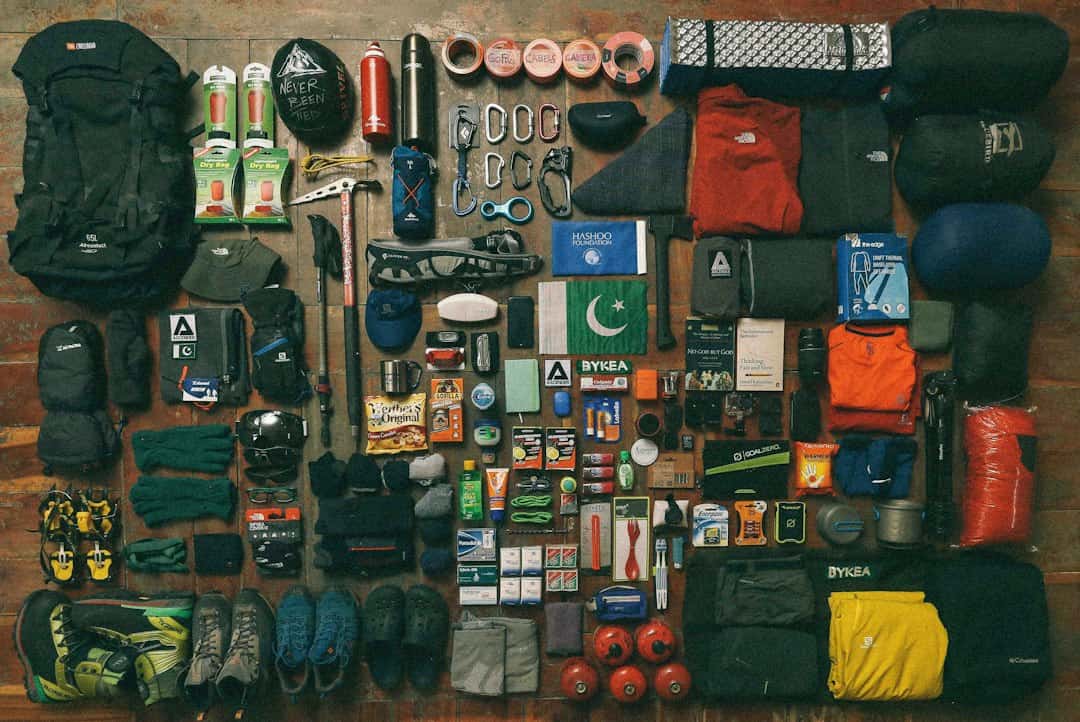
Reuse a packing list and plan food that fits the trailer’s kitchen, cold storage and campground rules. A simple arrival-night meal makes the first evening more relaxed. Recheck bedding, clothing and any equipment known to require manufacturer inspection. Avoid buying an entire new gear collection for a two-night test; familiarity with your existing trailer is more valuable. Our beginner packing list and weekend meal plan help keep preparation focused.
Give departure a clear place in the itinerary
Check the official checkout time and work backward from the responsible driver’s preferred departure. Leave room for cleaning up, storing outdoor gear and completing the RV’s manual-based travel inspections. A quick site walk for forgotten belongings and litter should be a deliberate final task. If the forecast changes significantly, be willing to return early rather than rush or travel in unsafe conditions. The RV departure checklist is designed for that last morning.
Practical checklist
- Select a destination with a realistic travel window.
- Choose one main activity instead of five.
- Plan easy meals and re-use existing gear.
- Keep campground check-in information offline.
- Allow unrushed departure time.
Frequently asked questions
Is two nights enough for a first RV trip?
A nearby two-night getaway can be a useful introduction to your trailer and camping routine. Choose manageable travel and avoid too many scheduled activities.
Should I book activities before reserving the campground?
Check availability and location together. A wonderful campground is less useful if the activity you most want is closed or too far away for the weekend.
The takeaway
A successful two-night RV weekend feels spacious rather than busy. Leave room for an unexpected pleasant stop, an extra hour at breakfast or simply enjoying the campsite.
A change in arrival plans is easier with our late-arrival checklist. Keep flexibility for weather forecasts using the RV wind-safety planning guide.
Related RV guides
Read next: RV weekend budget, Packing list, Campsite setup guide. Check equipment manuals and campground rules where applicable.
Further reading and sources
Featured editorial photo: Kevin Schmid / Unsplash. Images are illustrative; this article does not claim firsthand product tests. Updated October 25, 2026.