Used Travel Trailer Inspection Checklist: What to Check Before Buying
A used travel trailer can be a good way to start camping, but cosmetic condition is only part of the purchase decision. Before paying a deposit or agreeing to buy, verify ownership and VIN records, look carefully for moisture or structural damage, confirm safe towing compatibility, and arrange an independent professional RV inspection. This checklist helps a Canadian buyer spot concerns and ask better questions; it is not a substitute for a technician’s assessment.
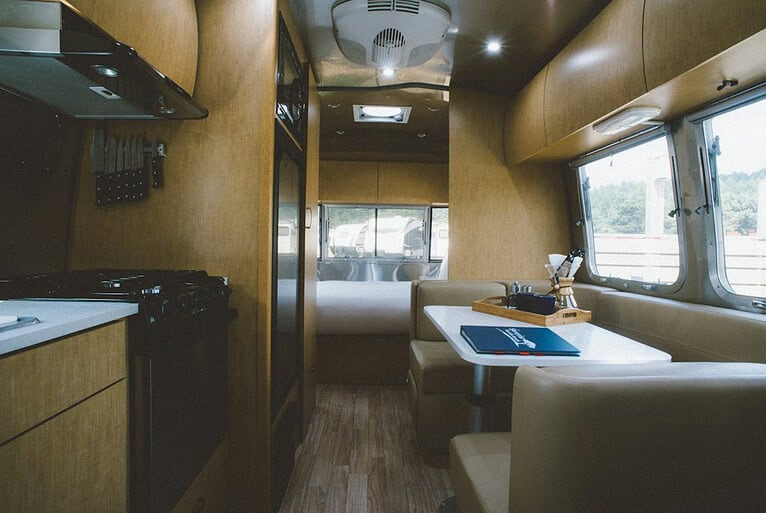
Do not assume the trailer pictured on a listing has been inspected or that a clean-looking interior proves the roof and frame are sound. The featured image for this guide is illustrative, not a photograph of a trailer we inspected or evaluated.
Start with the paperwork, not the floor plan
Ask for the exact year, make, model, serial or vehicle identification number (VIN), registration, and any maintenance or repair records. Compare the number and description on the trailer to the seller’s ownership documents. In BC, ICBC advises verifying the VIN and proof of registration rather than relying solely on an advertisement.
Consider a vehicle history report and lien search where available and applicable, especially for a private sale. ICBC’s used-vehicle inspection advice explains how claims records and financial interests can affect a purchase. Registration, tax and inspection rules differ between provinces; confirm the applicable rules for your location with the relevant authority or broker.
1. Look for signs of water intrusion
Moisture damage is one of the costliest issues to overlook. From safe, accessible areas, look for stains around ceiling seams, soft or discoloured wall panels, bubbling flooring, swelling around windows, damaged sealant or a persistent musty smell. Ask about roof maintenance, previous leaks, repairs and stored-under-cover history. A fresh paint job or strong air freshener is not proof that previous damage has been resolved.
A prospective buyer should not climb an unfamiliar RV roof, remove interior panels or attempt a destructive water test. An independent inspector can assess inaccessible areas with appropriate methods. The National RV Inspectors Association’s pre-purchase guidance highlights why roof and water-related problems deserve focused inspection.
2. Inspect the chassis, tires and towing equipment
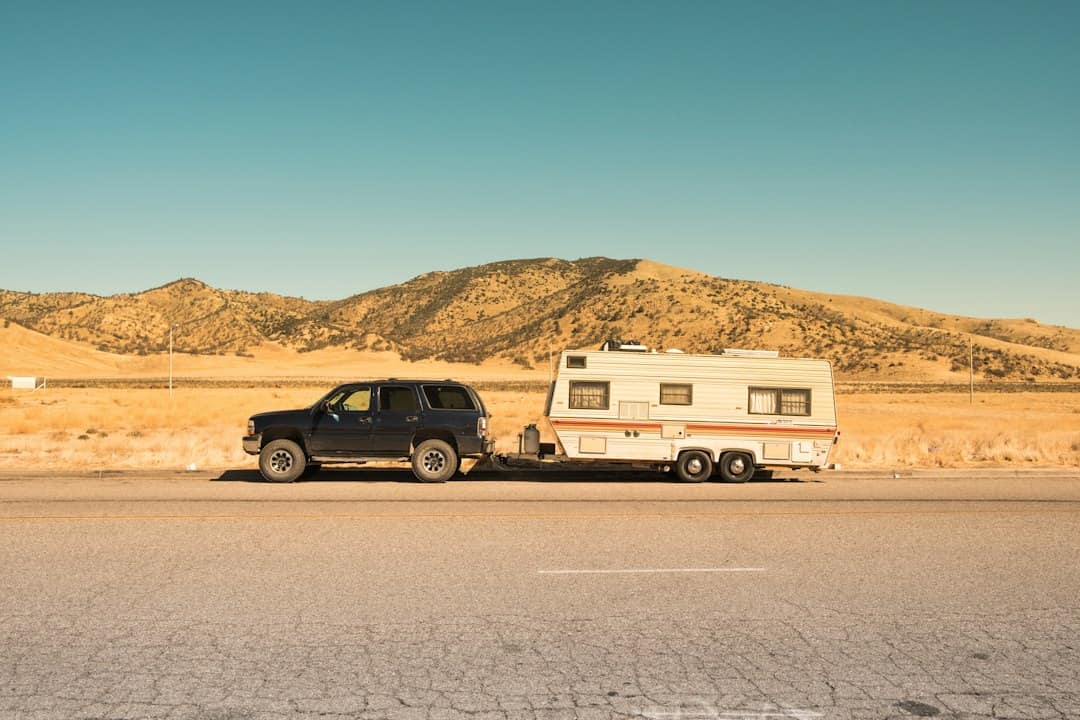
Illustrative photo: Benjamin Zanatta / Unsplash; not a model-specific inspection or electrical installation.
Look from safe viewpoints for uneven tire wear, weather cracking, visible corrosion, damage to safety chains, bent components or unusual alterations. Tire tread alone does not establish safe tire age or condition. Brakes, bearings, suspension, coupler and breakaway components are safety-related and should be checked by a qualified technician.
Confirm the trailer’s actual ratings, including its GVWR and axle ratings, and compare them with your tow vehicle’s documented limits and hitch requirements. A trailer’s advertised “dry weight” is not its real loaded camping weight. Our travel-trailer packing and loading guide explains the planning questions to ask before travel.
3. Review doors, windows, flooring and interior function
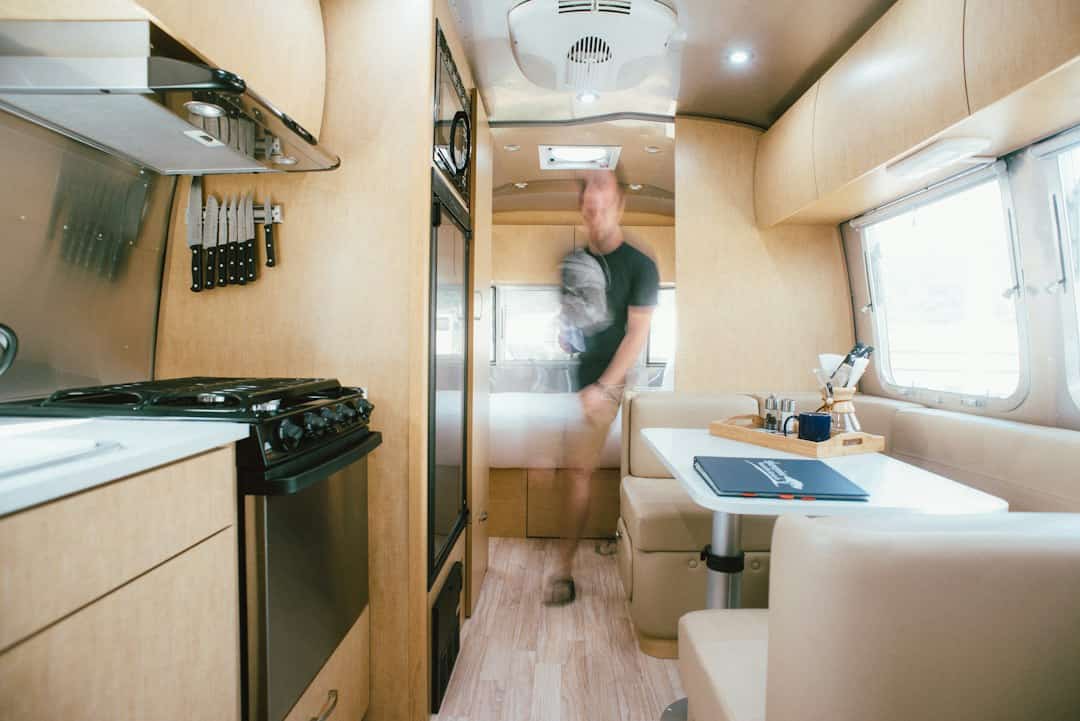
Illustrative photo: Blake Wisz / Unsplash; not a model-specific inspection or electrical installation.
- Open and close accessible doors, drawers and windows without forcing damaged hardware.
- Check floor areas around the entry, shower, kitchen and slide-outs for soft or uneven surfaces.
- Look beneath reachable cushions and inside storage compartments for water marks or pest evidence.
- Confirm beds, seating, kitchen arrangements and accessible movement suit your travel plans.
- Ask about every modification: what was changed, who did the work and whether records are available.
A comfortable floor plan is important, but it should never distract from a suspected structural defect. Go RVing Canada’s new-versus-used RV guide recommends professional inspections and careful consideration of hidden maintenance issues.
4. Ask for professional checks of plumbing and power systems
Request a demonstration of normal, manufacturer-approved appliance operation and a record of any recent service. A qualified inspector should assess the water system, leaks, water heater, electrical supply, batteries, safety alarms and relevant propane equipment. Do not troubleshoot energized systems, handle leaking gas, improvise repairs or agree to “we’ll fix it after you buy” without adequate written protections.
When touring a parked trailer, you can identify what equipment is included and ask for documentation; the professional inspection establishes whether it is functional and safe. For context, see our RV power protection guide and fresh-water system planning guide.
5. Review recalls, warranties and prior ownership
Use the make, model and VIN when available to ask the manufacturer about outstanding recalls and service bulletins. Transport Canada provides a motor-vehicle safety recalls database and links to manufacturer lookup tools. Confirm any claimed transferable warranty directly with its provider; advertisements may not accurately describe coverage.
Ask whether the trailer has been involved in an accident, flood, major roof repair or insurance claim and request paperwork. An incomplete history does not always indicate fraud, but uncertainty should influence the inspection and purchase decision.
When is an independent inspection worth paying for?
For almost every significant used-trailer purchase, a qualified third-party inspection is worth considering, particularly if the RV has complex systems, signs of moisture, modifications or an uncertain service history. Ask what the inspector will cover, whether they will document deficiencies with photographs, and which specialized tests require a separate provider. The NRVIA’s consumer guidance encourages buyers to request a sample report and clear scope of work.
Used travel trailer: buyer’s checklist
| Review area | What to confirm | Who can help |
|---|---|---|
| Ownership | Registration, VIN, seller’s authority to sell | Registry, insurer or broker |
| History | Liens, prior damage, maintenance and warranty documentation | History provider, seller, repair facility |
| Weatherproofing | Roof, windows, wall seams, leaks and soft flooring | Independent RV inspector |
| Running gear | Tires, brakes, bearings, suspension, hitch and frame | Qualified trailer technician |
| Utilities | Water, electrical, battery, propane and safety equipment | Qualified RV systems inspector |
| Suitability | GVWR, tow-vehicle ratings, floor plan and storage needs | Vehicle manufacturer/dealer documentation |
Warning signs that justify walking away
Be cautious if the seller refuses an independent inspection, cannot explain a mismatched VIN, avoids ownership documentation, dismisses visible leak damage, pressures you to pay immediately or declines to demonstrate advertised features. A cheap trailer becomes expensive if its roof, structure or running gear requires major repair.
Frequently asked questions
Is a dealership inspection the same as an independent inspection?
Not necessarily. A dealer’s pre-delivery check serves a different purpose and may have a narrower scope. Ask for the complete report and consider an independent assessment.
Should I buy a trailer with evidence of a repaired leak?
That depends on the location, severity, quality of repairs and documented condition. Have a qualified inspector assess it rather than relying on a verbal assurance.
What paperwork do I need to buy a used travel trailer in British Columbia?
Requirements depend on the trailer and registration history. Start with the seller’s registration, matching VIN and the current instructions from ICBC or an Autoplan broker, and confirm applicable taxes or inspection requirements before payment.
Can I decide towing suitability using dry weight?
No. You need the trailer’s ratings, realistic loaded weight, tongue weight and the tow vehicle’s manufacturer-specified limitations. Seek professional guidance when the combination is unclear.
Sources
- ICBC — Steps to buying a used vehicle
- ICBC — Inspecting a used vehicle
- Transport Canada — Defects and recalls
- Go RVing Canada — New or pre-owned RV?
- NRVIA — Questions before hiring an RV inspector
This checklist is an original research-based planning resource. It is not a report of firsthand inspection, an appraisal, legal advice or a promise of condition. Sources reviewed October 26, 2026.