
Unexpected traffic can put an RV arrival well past sunset. That is inconvenient because clearances, ground conditions and campground signs are harder to see, and other campers may already be asleep. The best response is not to rush. It is to plan an arrival that respects your own limits, the campground’s procedures and the people occupying nearby sites. Sometimes that means contacting staff or choosing a suitable overnight stop before reaching the booked campground.
Quick answer: Confirm whether late check-in is permitted, save the entrance instructions, avoid navigating an unfamiliar pitch in unsafe conditions, and keep late-night noise and lighting to a minimum.
At a glance
| Focus | What to verify | Benefit |
|---|---|---|
| Before the trip | Late-check-in policy and contact number | Prevents arrival surprises |
| When delayed | Notify campground and review alternatives | Reduces pressure to rush |
| At arrival | Safe access, clear site, quiet setup | Protects people and equipment |
Check the late-arrival policy before booking
Some campgrounds allow self-check-in, while others close entry gates or require advance arrangements. Look for a dedicated after-hours telephone number, key or pass instructions and a marked site map. Record the assigned site and the correct entrance; navigation apps can sometimes lead to maintenance roads or day-use areas. If the campground prohibits late arrivals, plan accordingly instead of assuming the gate will be open. Save this information offline in case mobile service is unreliable.
Avoid driving under pressure
A delay is not a reason to ignore fatigue, weather warnings or road restrictions. The responsible driver should make a safe travel decision based on conditions and the towing setup. If reaching an unfamiliar campsite in darkness would be unsafe, ask the operator about alternatives or choose a lawful place to stop. Do not park in a trailhead, highway shoulder or other restricted area simply because it looks spacious. Our reservation checklist helps identify policies that matter before you travel.

Inspect the pitch rather than guessing
It can be difficult to judge tree clearance, drainage, obstacles and distance to a neighboring trailer after dark. Use the campground’s approved process and adequate visibility; get staff assistance if available. Do not attempt difficult positioning when you cannot see the space safely. Avoid moving obstacles or cutting across an occupied site to make a corner easier. A campsite described as large on a booking page may still have a tight approach. The owner’s manual and trained adult driver govern towing and parking decisions.
Keep the first night simple and quiet
Late arrivals are a poor time for decorating the site or unpacking every cupboard. Prioritize a safe, appropriate place to sleep and comply with the campground’s quiet hours. Avoid loud conversations, unnecessary vehicle movement, bright exterior lights and prolonged outdoor activity. Choose an arrival-night meal that requires little preparation and keep essential bedding readily accessible. Complete any remaining optional setup the next morning, when visibility and neighbor activity permit it.
Let the following morning reset the routine
After daylight arrives, walk the assigned pitch and check its condition, clearances and available facilities. Review any paperwork left by campground staff and confirm check-out rules. If the site has a problem, notify the operator promptly rather than attempting an unapproved move. Continue with the full campsite setup guide once it is practical to inspect everything. A calm second-morning routine is better than a hurried midnight checklist.
A practical checklist
- Save the after-hours instructions offline.
- Contact staff if travel delays change arrival.
- Never rush towing or positioning in poor visibility.
- Keep lighting, sound and activity minimal.
- Perform a fuller inspection in daylight.
Frequently asked questions
Can I arrive after quiet hours?
Only if the campground permits it. Check the booking confirmation and after-hours procedure; do not assume a reservation overrides entry restrictions.
Should I finish all campsite setup at night?
Do only what is necessary and appropriate for a safe stay, following manufacturer and campground instructions. Optional outdoor setup can usually wait for daylight.
The takeaway
The simplest way to handle a late RV arrival is to make fewer decisions while tired. Know the rules and alternatives before driving and keep the first night uncomplicated.
Accessibility and family needs may change late-arrival decisions: see accessible campsite booking considerations and RV family weekend planning.
Related RV articles
Continue reading: Reservation checklist, Campsite quiet hours, Travel trailer setup. Always check the rules applicable to the particular campground and RV.
Sources and additional reading
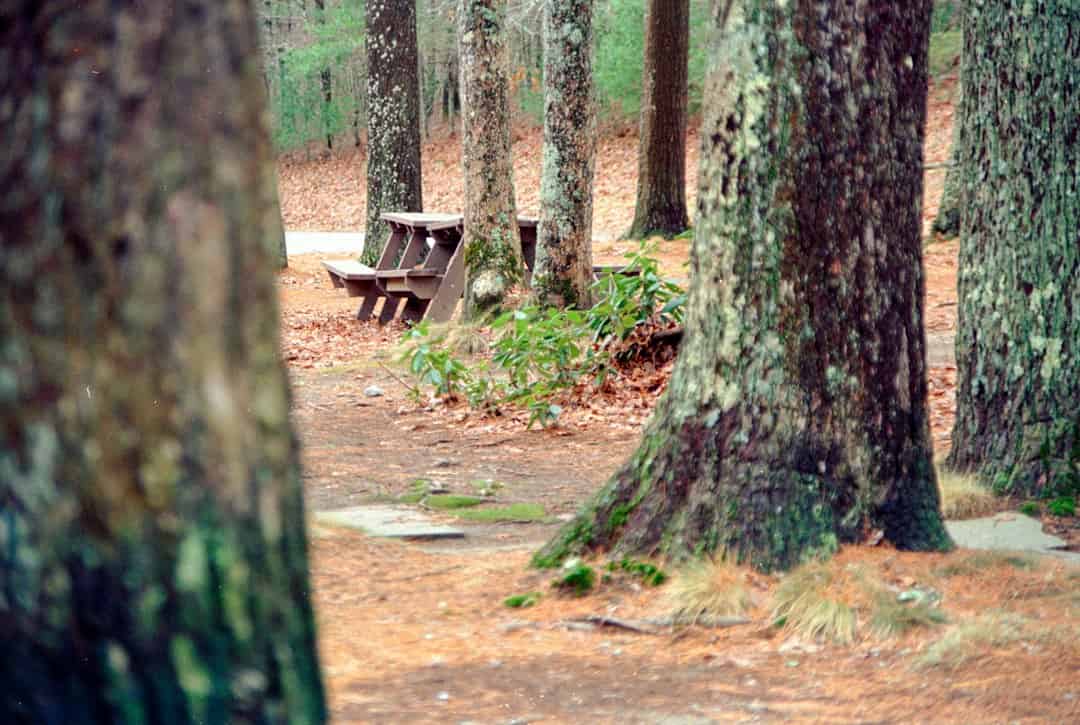
Featured editorial photo: Adrienne Kelley / Unsplash. Images illustrate the topic, not a personally tested site. Updated October 25, 2026.