
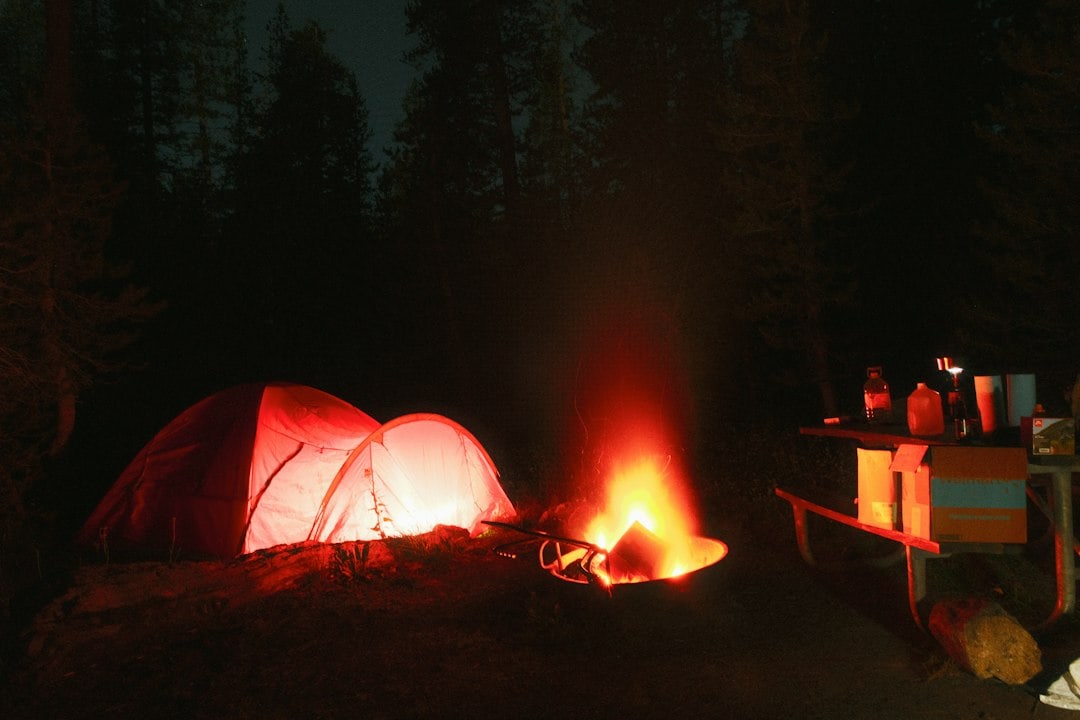
An RV campsite feels private from the doorway, but sound and light travel far beyond your site boundary. You may barely notice an outside light while someone in the next pitch sees it shining through a bedroom window. The same applies to a generator, late-night conversation or a barking dog. Quiet hours make expectations easier, but considerate camping starts long before a sign says it is time for silence.
Quick answer: Read the posted quiet-hour rules, keep sound and lights within your space, use equipment only where permitted, and handle neighbor concerns politely through campground staff when needed.
At a glance
| Focus | What to verify | Benefit |
|---|---|---|
| Evening lighting | Direction, brightness, switch-off time | Avoids lighting neighboring sites |
| Sound | Conversations, music, pets and equipment | Helps people rest |
| Movement | Parking, doors and site walkways | Respects nighttime neighbors |
Quiet hours are a minimum, not permission to be loud all day
Campgrounds set their own quiet-hour schedules, and the exact times should be confirmed at check-in. Outside those hours, normal conversations are fine but booming music or repeated shouting can still disturb others. Sound tends to carry across open water, valleys and closely spaced sites. When planning a group visit, choose a campsite and activity location that suit the gathering. The Parks Canada camping guidance recommends a reasonable volume at all hours.
Aim exterior lighting at your own activities
Lights near the steps can be useful, but decorative strings and powerful floodlights can brighten nearby windows and wildlife areas. Use only the lighting needed for safe movement and turn off unnecessary lights when people are sleeping. Do not shine handheld lights into surrounding RVs or camp spaces. A pleasant campsite should not look like a car park under stadium lighting. Local dark-sky rules, wildlife restrictions and campground lighting policies should take priority over decorative preferences.
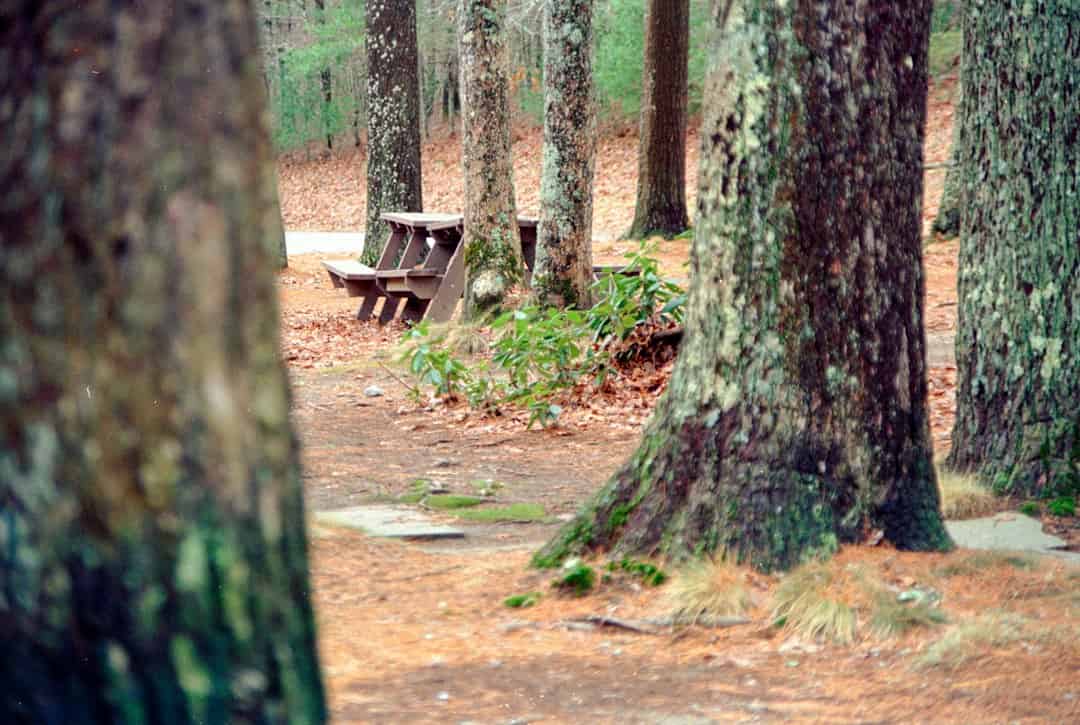
Check equipment and generator policies
Some campgrounds prohibit generators or restrict operating hours. Others limit outdoor speakers, amplified entertainment, certain vehicles or equipment. Do not assume permission because someone else is using a similar device. Check the rules before arriving, and use only equipment suited to your RV as directed by its manufacturer. Keep mechanical maintenance or fault troubleshooting for a qualified professional when appropriate; noisy repairs in the evening are rarely a good use of campground time.
Remember that dogs and guests affect neighbors too
A friendly dog may bark at everyone passing the site. Visitors can also create crowding or move through occupied pitches. Keep pets under control, supervise children and follow visitor-parking rules. If you have late arrivals, communicate the plan and avoid unnecessary noise near sleeping campsites. Our dog-friendly camping guide includes pet-specific planning. Children can enjoy camping without having to be completely silent; considerate boundaries are the goal.
Address problems without escalating them
If a noise or lighting issue is disrupting your stay, check the posted rules first. Depending on the circumstances, a polite request may help, but contact campground staff when the problem continues or an interaction would feel unsafe. Avoid retaliatory music, lights or confrontations. The shared nature of a campground works best when people assume goodwill and let staff handle ongoing concerns. For more examples see our 12 RV campsite etiquette rules.
A practical checklist
- Read campground quiet-hour signs at check-in.
- Point lighting toward your own space.
- Avoid amplified sound disturbing neighbors.
- Follow generator and guest policies.
- Use staff for repeated disputes rather than retaliation.
Frequently asked questions
Are campground quiet hours the same everywhere?
No. Schedules and restrictions differ by park, season and operator. Follow the exact rules posted for your site.
Can I use decorative lights at an RV campsite?
Only when permitted, and they should not disturb neighboring sites or wildlife. Avoid leaving bright lights on unnecessarily overnight.
The takeaway
Good campground etiquette is mainly about remembering that the thin boundary between sites is not soundproof or lightproof. A few thoughtful habits make room for everyone’s enjoyment.
Campground noise matters especially on after-dark arrivals. Weather can affect exterior equipment and site safety, so also review windy-weather planning.
Related RV articles
Continue reading: Campsite etiquette, RV camping with dogs, Choosing the right site. Always check the rules applicable to the particular campground and RV.
Sources and additional reading
Featured editorial photo: Aliaksei Lepik / Unsplash. Images illustrate the topic, not a personally tested site. Updated October 25, 2026.