
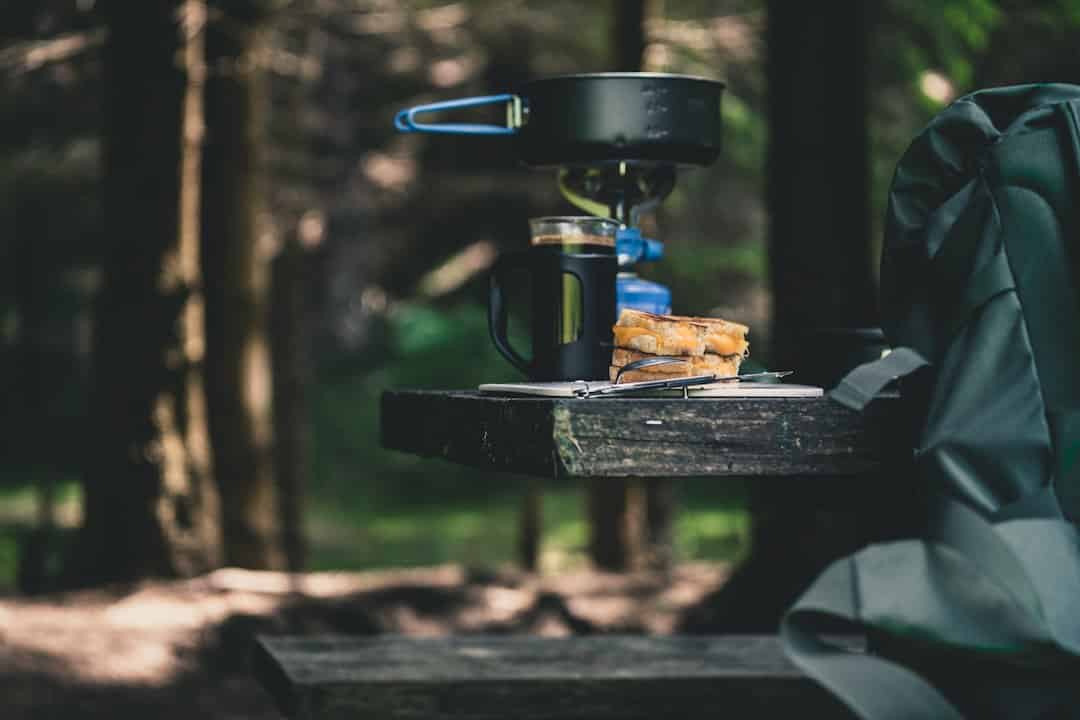
Food planning for a two-night RV weekend should make the trip feel easier, not turn a compact camper kitchen into a complicated restaurant. A short menu lets you shop deliberately, use the same ingredients in more than one dish and reduce waste on departure day. You can still enjoy meals outdoors without carrying every pan you own. The key is to work from the campsite’s cooking and refrigeration facilities, the group’s needs and current campground rules.
Quick answer: Plan two dinners, two breakfasts and flexible lunches before shopping, group ingredients by storage needs and choose a fallback meal for weather changes.
At a glance
| Situation | What to check | Why it matters |
|---|---|---|
| Arrival night | Prepared sandwiches or ready-to-eat meal | Little cleanup after travel |
| Full day | Simple breakfast, picnic lunch, easy dinner | Reusable ingredients |
| Departure morning | Fruit, oats or other quick breakfast | Less washing and packing |
Choose meals that suit the actual kitchen
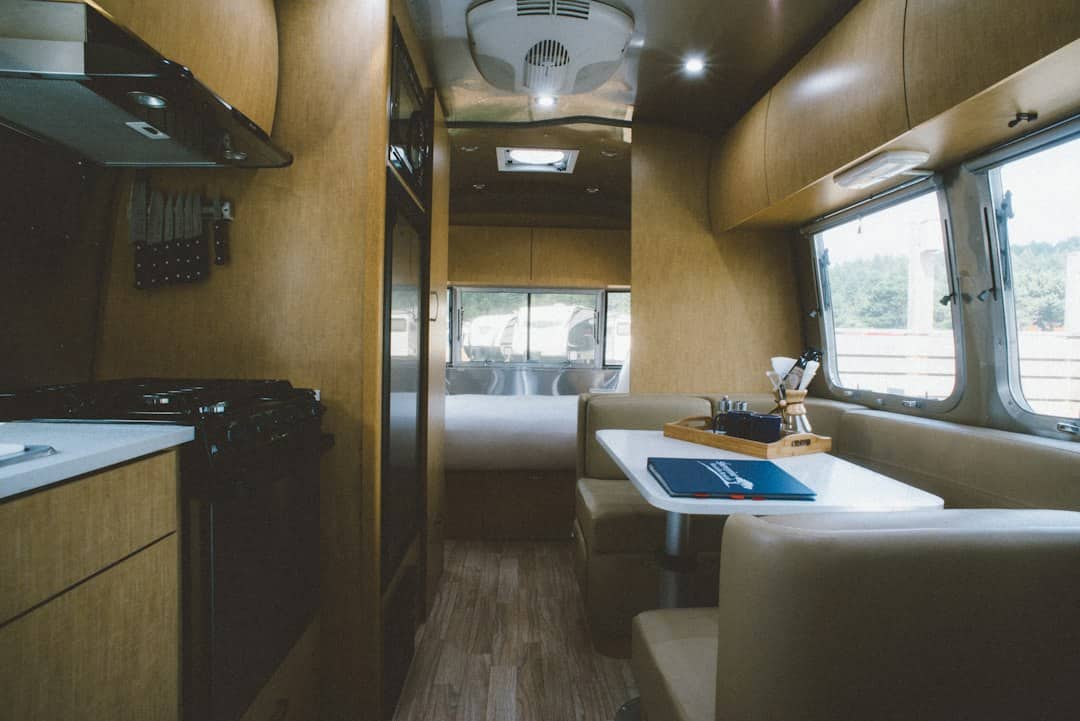
Check whether the campground has a picnic table, whether outdoor cooking is permitted, and what kitchen and refrigeration equipment the trailer already has. For a short trip, recipes requiring many separate ingredients rarely earn their storage space. Look for one main ingredient you can reuse, such as vegetables served with dinner and again at lunch. Make the menu suit your party rather than relying on “camping food” stereotypes. If anyone has allergies or dietary needs, check labels and cross-contact considerations while planning at home.
Use a flexible menu instead of a rigid schedule
Arrival delays and rain can change dinner plans quickly. Choose one meal that requires very little preparation and another you can move between evenings. You might plan a preassembled picnic plate for the first night, a favorite breakfast the next morning, and a one-pan style dinner prepared by a responsible adult using approved equipment. Keep a simple backup meal available. This approach also helps when the campground has restrictions on outdoor food preparation or when everyone would rather spend more time exploring than cooking.
Store food to protect people and wildlife
The National Park Service emphasizes keeping food and food waste away from wildlife and using the approved storage arrangement for each campground. Check cooler and refrigerator requirements for foods that need temperature control; a cool-looking trailer cabinet is not a substitute for proper cold storage. Do not leave snacks or scraps outside overnight. Make sure children know why feeding animals, even unintentionally, causes problems for future visitors.
Make cleanup part of every meal
Pack only enough dishes, utensils, towels and storage containers for the chosen menu. Keep waste bags and food containers convenient so the site can be cleared immediately after eating. Follow campground rules for dishwashing wastewater and use designated disposal facilities; never pour dirty water onto the ground. A compact setup is easier to maintain when every container has a regular place. For an overall arrival routine, see our travel-trailer campsite setup checklist.
Build a shopping list that survives a changed plan
Divide the list into fresh ingredients, shelf-stable foods and personal essentials. Label meals with the day they are intended for, but keep some ingredients flexible. If a restaurant visit replaces a planned dinner, choose foods you can take home safely rather than throwing them away. Make the shopping list short enough to read while at the store, and check what is already packed in the trailer. A small, reliable food kit is often more useful than a large collection of seldom-used kitchen gadgets.
Practical checklist
- Choose an easy arrival-night meal.
- Plan ingredients that work in several meals.
- Verify refrigeration and food-storage needs.
- Check campsite wildlife and waste rules.
- Keep a fallback meal for weather changes.
Frequently asked questions
How many meals should I plan for a two-night RV trip?
Start with two dinners, two breakfasts and the lunches you will actually eat at camp. Adjust for arrival time, restaurant plans and day trips instead of overbuying.
Can I leave sealed snacks outside?
Follow the campground’s food-storage rules. In many wildlife areas food, wrappers and scented items need secured storage even if the package is unopened.
Takeaway
A good camping menu leaves room for the trip itself. Keep notes on which foods travel well in your RV, and reuse your best two-night shopping list as the starting point for the next weekend.
Traveling with children or pets changes shopping and food-storage plans: read family camping tips and wildlife-aware campsite guidance. A written camping budget helps keep groceries and activities within the trip plan.
Related guides
Continue reading: First-time RV packing list, Camping with dogs, Campsite etiquette. Use your own trailer manual and campground rules for equipment-specific requirements.
Sources and further reading
Illustrative featured photo: Sorin Gheorghita / Unsplash. No products were independently tested for this article. Updated October 25, 2026.