
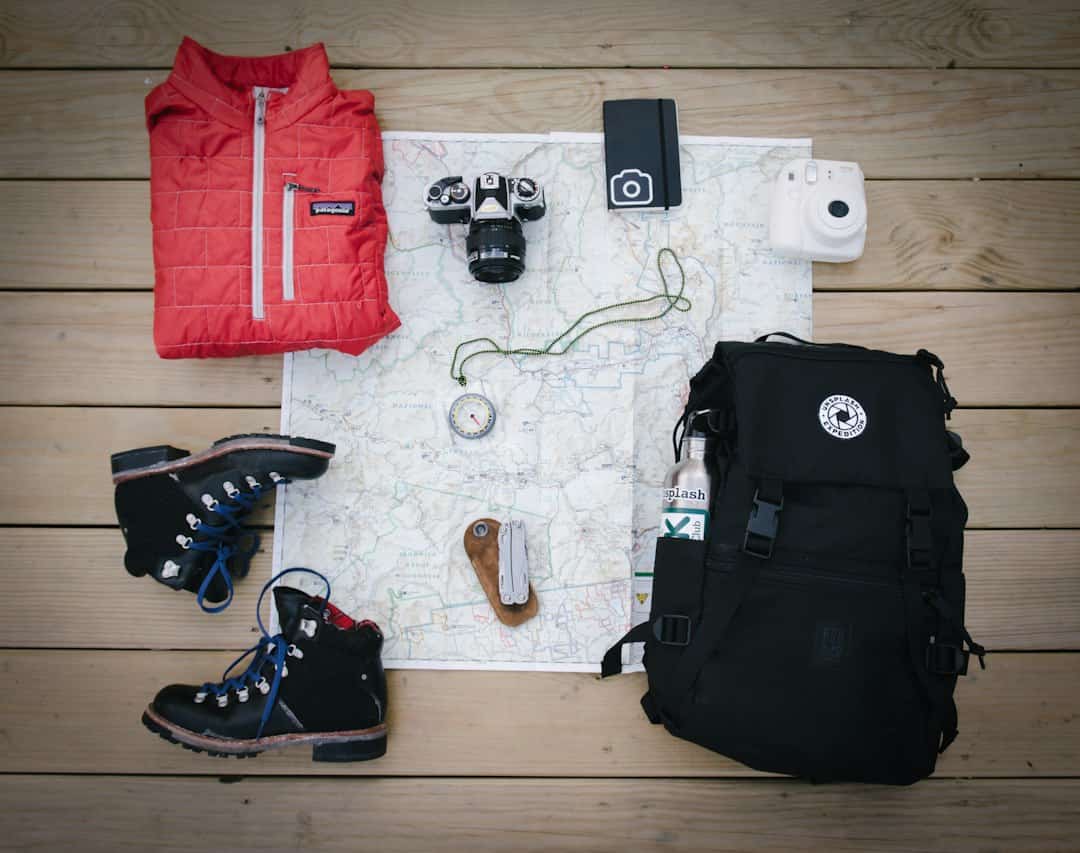
The first RV trip has a way of making every drawer look useful. Pack too much and the trailer becomes awkward to live in; pack too little and a simple weekend turns into repeated shopping trips. The most helpful packing list starts with the campsite and the equipment already built into your RV, not a giant online catalogue. This guide separates essentials from comfort extras so you can prepare without buying things you may never use.
Quick answer: Pack documents and essentials first, then bedding and clothing, a modest kitchen kit, personal safety items, and only the outdoor gear your booked site actually allows.
At a glance
| Category | What to consider | Why it matters |
|---|---|---|
| Before leaving | Booking confirmation, contacts, medication, manuals | Keep these accessible rather than buried |
| For daily use | Clothing, bedding, reusable dishes, basic toiletries | Choose quantities that match trip length |
| Nice to have | Extra chairs, games, decorative lighting | Add only after essentials fit |
Start with the reservation, not the shopping cart
Write down the campground address, site number, arrival window, length restrictions and facilities. A campground with showers, water and a picnic table demands a different kit from an unserviced site. Confirm your trailer’s stored gear before duplicating anything. Keep a copy of emergency contacts, directions and the RV owner’s manual where the responsible adult can reach them. Remember that capacity, payload and secure storage matter: avoid packing heavy objects simply because a cupboard has unused space.
Build a kitchen kit for your actual menu
Plan a few simple meals before listing cookware. If you intend to eat breakfast at the campsite and lunch away from it, you may need fewer pots than someone preparing three meals each day. Bring suitable storage containers, reusable plates, basic washing supplies and enough drinking water from a safe source. Choose food that fits the available refrigeration; label items that must stay cool. Our RV weekend meal-planning guide covers a practical two-night menu.
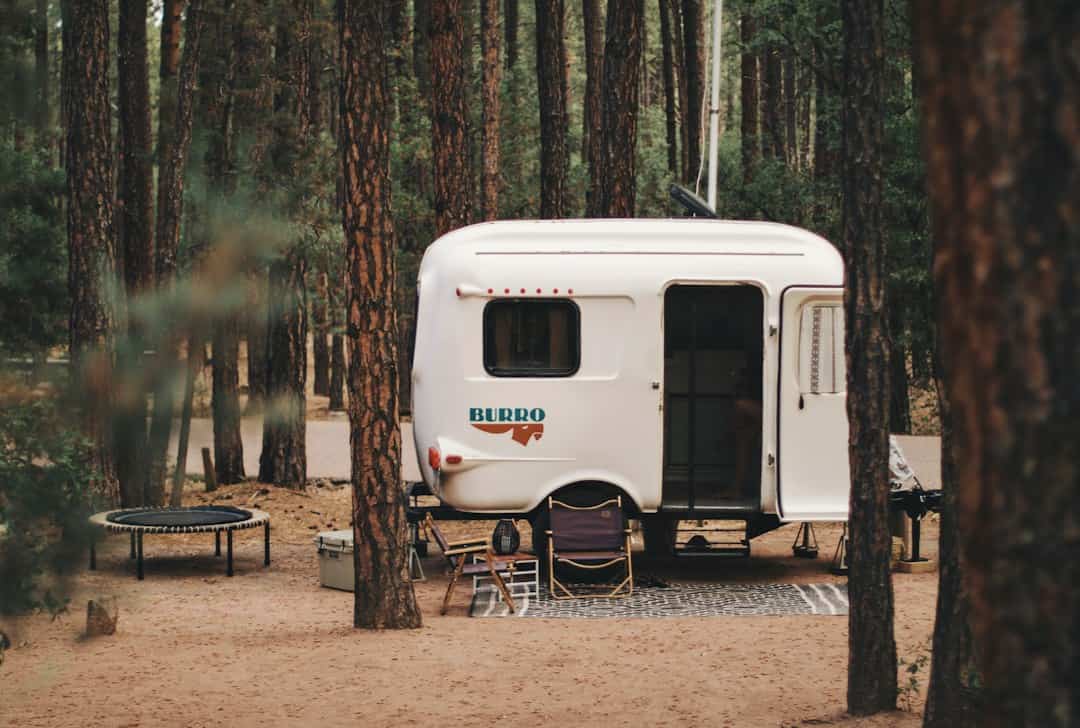
Make sleep and clothing comfortable without overpacking
A set of weather-appropriate layers, dry socks, sleepwear, bedding suited to the season and a small bag for laundry will carry most people through a short stay. Check bed sizes before purchasing sheets: RV mattresses can differ from household sizes. Instead of stuffing every cabinet, leave room for a jacket or damp shoes at the door. Keep one easily reached change of clothes for a rainy arrival. More space is not automatically better organization; a short list and a predictable home for each item usually help more.
Bring a small campsite kit and leave room to move
Useful basics may include a chair for each traveler, a flashlight, a bin or bag for waste, an entrance mat, and games or reading material. Add only equipment that fits campground rules and the manufacturer’s intended use. Before travel, secure loose articles and keep exits and walkways unobstructed. A final walk-around should be part of the departure routine. Our arrival-to-departure setup checklist provides the broader site routine.
What to skip on the first trip
Avoid specialty gadgets bought to solve problems you have not encountered. Large duplicate cookware sets, excessive décor and multiple “just in case” bulky items often compete for the same small spaces. Treat your first outing as a learning trip: write down which objects you used, what stayed packed and what you missed. After returning, revise the list for your own trailer. The goal is a comfortable and well-prepared trip, not a perfectly stocked showroom.
Practical checklist
- Keep reservation details and essential documents accessible.
- Match cooking equipment to a written two-night menu.
- Use a designated place for wet shoes and laundry.
- Secure loose items before travel; preserve clear exits.
- Review what stayed unused after the trip.
Frequently asked questions
Do I need to buy a complete RV starter kit?
No. Start with the equipment already supplied with your trailer and the services at your campground. Purchase only items needed for your own sleeping arrangements, food, hygiene and planned activities.
How do I avoid overpacking a travel trailer?
Write a trip-specific list, prioritize compact multipurpose items and check storage and payload limits. Leave enough clear space to move safely, and refine the list after each trip.
The takeaway
The best RV packing list is one you can actually check on the driveway. Keep the version that works, update it after trips, and remember that campground facilities and your own equipment change what belongs on it.
When your essentials are packed, read the travel-ready organization guide, plan costs with the weekend budget worksheet, and prepare family essentials with our kids camping guide. Typical rainy-weather weekends also benefit from our wet-weather packing ideas.
Related Wandering RV Life guides
Continue reading: Travel trailer campsite setup checklist, Small trailer storage ideas, RV weekend meal planning. These topics work together, but your own trailer manual and campsite rules always take precedence.
Helpful references
Editorial images are illustrative; featured photograph: RV Editorial 01 – First-Time RV Packing List – Alice Donovan Rouse / Unsplash. No products were independently tested for this article. Updated October 25, 2026.