Travel Trailer Towing Weights in Canada: GVWR, Payload and Tongue Weight
A tow vehicle’s advertised maximum tow rating is only one of several limits that matter when choosing a travel trailer. Before treating any truck-and-trailer combination as compatible, compare the exact vehicle’s weight ratings, remaining payload, actual trailer weight, hitch and axle limits, and the driver’s licensing rules. The loaded setup must fit all applicable limits, not just one brochure number.
This is an educational guide for Canadian RV shoppers and owners. Ratings and licensing vary by vehicle, province and trailer type. Do not use the example numbers below as approval to tow a particular combination. Consult the tow-vehicle and trailer manufacturers and a qualified towing specialist for a model-specific assessment.
Common towing weight terms explained
Illustrative photo: Frames For Your Heart / Unsplash. Confirm equipment specifications with the relevant manufacturer.
| Term | What it means | Where to check |
|---|---|---|
| GVW — gross vehicle weight | Actual vehicle or trailer weight with its current load | Proper scale measurement |
| GVWR — gross vehicle weight rating | Manufacturer’s maximum permitted loaded weight for that individual vehicle or trailer | Certification label and owner documentation |
| GAWR — gross axle weight rating | Maximum manufacturer-rated load for each axle | Certification label and vehicle manual |
| GCWR or GCVWR | Maximum manufacturer-rated combined loaded weight of tow vehicle plus trailer | Exact tow-vehicle manufacturer guide |
| Payload | Weight capacity available for people, cargo and other loads carried by the tow vehicle, including applicable tongue or kingpin load | Vehicle-specific payload label and actual load |
| Tongue weight | Downward force a conventional travel trailer places on the hitch | Actual loaded setup; manufacturer/hitch guidance |
| Tow rating | Manufacturer’s rated trailer-weight limit for the specific vehicle configuration and conditions | Owner manual and towing guide, not an unrelated trim or model |
Ford Canada’s towing guide describes GVWR, GAWR, GCVWR and payload and explains why a towing limit differs from how much weight a vehicle can carry. The same definitions are useful for other brands, but Ford specifications are not specifications for your non-Ford vehicle.
Why maximum tow rating does not equal available payload
An advertised tow rating often assumes a particular engine, axle ratio, equipment package and load. The exact vehicle may have less capacity once occupants, pets, accessories, camping gear and hitch equipment are included. Conventional-trailer tongue weight adds load to the tow vehicle and can reduce remaining payload. The hitch and rear axle may become limiting even if the trailer’s gross weight is below the headline tow figure.
For example, consider a hypothetical tow vehicle whose vehicle-specific payload label says 700 kg. If passengers and other items carried by it weigh a total of 350 kg, that would leave 350 kg before accounting for tongue load and any additional carried equipment. This is a teaching example, not a tested or recommended combination; proper assessment also requires actual axle loads, hitch ratings and all other constraints.
Trailer GVWR is not the same as empty or dry weight
The trailer’s empty or brochure weight does not include everything it may carry on a real journey. Water, food, equipment, clothing, accessories and manufacturer options can change the amount significantly. Its GVWR is a maximum rating—not a prediction of how much the trailer weighs during a particular trip. For a real comparison, use vehicle labels, the appropriate owner manuals, and confirmed loaded weights.
ICBC’s recreational-trailer licensing page explicitly tells owners to assess trailers fully loaded, with their normal travel supplies, when checking licensing weight thresholds. Our packing and securing a travel trailer guide explains why organized loading also matters.
Why tongue weight, axle loading and hitch ratings matter

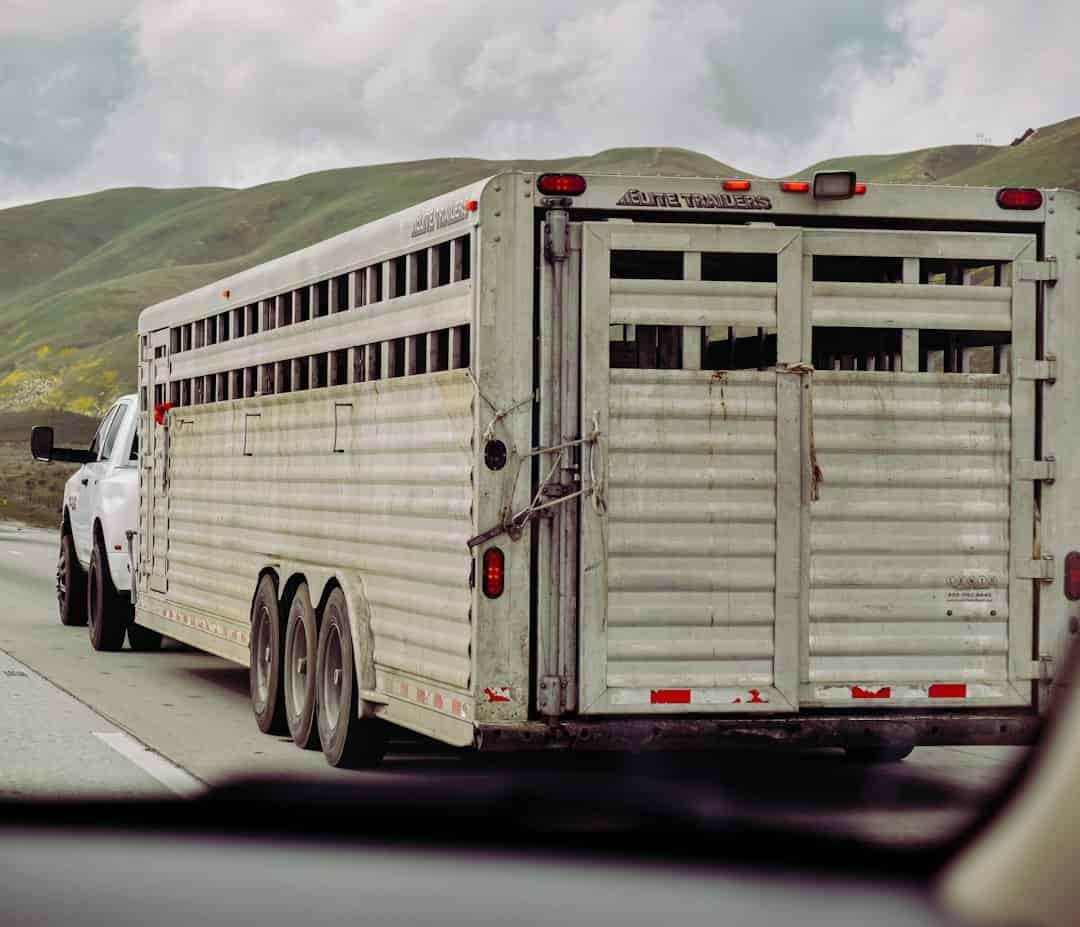
Illustrative photo: Kai Gradert / Unsplash. Confirm equipment specifications with the relevant manufacturer.
A trailer transfers some vertical load to the tow vehicle through the hitch or, in a fifth-wheel arrangement, through its kingpin. The amount affects the tow vehicle’s carried weight and axle loads. A hitch has its own rated limits and may have separate limits depending on equipment and installation. No universal tongue-weight percentage makes every setup safe, and fifth wheels have different load characteristics from conventional travel trailers.
Check the tow vehicle’s manual, installed receiver and hitch documentation, trailer manufacturer instructions and actual loaded combination. Do not attempt to compensate for insufficient ratings simply by moving cargo around or relying on an aftermarket accessory. A qualified professional should assess a mismatch. The Ford towing FAQ distinguishes payload, tow rating and combined vehicle rating.
How to interpret a weight-rating comparison
Rather than working from a single “maximum towing” number, use this checklist to gather the documentation and measurements a knowledgeable professional needs.
| Check | Why it is a separate limit |
|---|---|
| Tow vehicle’s actual loaded GVW versus GVWR | Accounts for people, cargo, accessories and hitch loading |
| Front and rear actual axle weights versus GAWR | A truck can be within GVWR yet have a heavily loaded individual axle |
| Trailer actual loaded weight versus trailer GVWR | Includes the gear, water and equipment taken on the trip |
| Combined loaded weight versus GCWR/GCVWR | Accounts for the whole vehicle/trailer combination |
| Trailer weight versus model-specific tow rating | Manufacturer towing limits depend on exact trim, equipment and conditions |
| Actual tongue or kingpin load versus hitch and vehicle limits | Assesses transferred load, not just trailer axle weight |
| Tyre, wheel and brake specifications | Individual component limits do not disappear when the published tow rating looks sufficient |
| Driver’s licence and province-specific rules | A mechanically compatible combination still has to meet legal requirements |
Some public weigh stations may not be suitable for recreational combinations or may have specific access arrangements. Consult a qualified RV service centre or scale operator about obtaining documented weights safely, rather than improvising an unsafe measurement.
British Columbia licensing: actual trailer weight matters
In British Columbia, ICBC states that an ordinary Class 5 or Class 7 passenger-car licence can allow towing a fully loaded recreational trailer weighing up to 4,600 kg GVW with a two-axle vehicle, subject to its stated conditions. Higher loaded trailer weights and air-brake arrangements can require different licences or endorsements. These licensing rules do not raise a tow vehicle’s mechanical ratings.
Read the current ICBC recreational trailer page and ICBC towing guide for the exact combination and licensing situation. Rules differ between provinces; check the jurisdiction where you drive, rather than assuming the BC threshold applies everywhere in Canada.
Questions to ask before buying a trailer or tow vehicle
- What is the tow vehicle’s exact year, trim, powertrain, axle configuration and factory towing equipment?
- What do its actual certification and payload labels say, not just the online model overview?
- What is the trailer’s manufacturer-rated GVWR, and what is a realistic loaded weight?
- What hitch, receiver, axle, tire and brake restrictions apply to this exact combination?
- What passengers, luggage, tools and accessories will travel in the tow vehicle?
- Does the driver’s licence cover the actual loaded combination in the intended province?
- Can a qualified RV towing specialist review the documents and scale measurements before purchase?
Our used travel trailer buying checklist covers water intrusion, ownership documents and inspection questions beyond towing weights. For practical travel preparation after a suitable combination has been established, see the RV departure checklist.
Frequently asked questions
Can a truck rated to tow 4,500 kg pull any trailer below that weight?
No. Payload, axle, hitch, braking, equipment, actual trailer loading and the combined-weight rating may be more restrictive. Always use the manufacturer guidance for that exact vehicle.
Does tongue weight count toward payload?
Conventional trailer tongue weight is transferred onto the tow vehicle and must be considered in its carrying and axle-weight limits. A qualified specialist should account for the exact hitch and trailer configuration.
Is trailer GVWR the amount my trailer weighs now?
No. GVWR is a limit set by the manufacturer; actual gross vehicle weight depends on the current load.
Do all Canadian provinces have the same licensing threshold?
No. Licensing and endorsement conditions differ. Check the province’s official licensing authority, especially for heavy trailers or unusual braking arrangements.
Official references checked October 26, 2026
- Ford Canada — towing ratings, GVWR, GAWR, payload and GCWR
- ICBC — towing a recreational trailer
- ICBC — towing a recreational trailer study guide
- BC RCMP — trailer road safety
- SAAQ — trailer rules in Quebec
This is a research-based explanation, not certification of a vehicle combination, personal towing test or legal opinion. Verify all ratings against current vehicle-specific documentation and licence rules before a purchase or trip.