RV Internet in Canada: Cellular, Starlink Roam and Campground Wi-Fi Compared
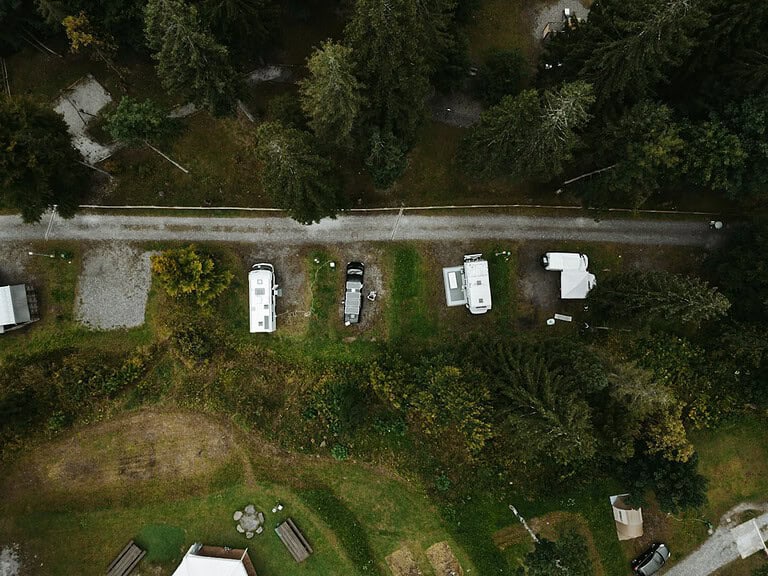
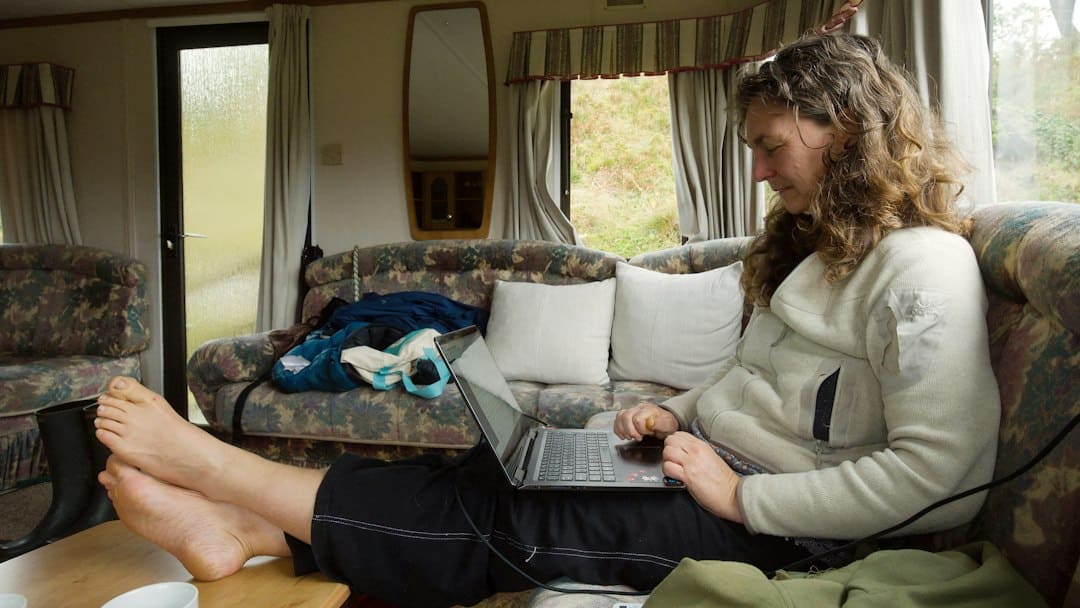
For many Canadian RV trips, the simplest internet connection is a phone’s cellular hotspot—but it only works where your carrier has usable service. Campground Wi-Fi may be convenient yet unpredictable. For travel beyond cell coverage, Starlink Roam can be another option where the equipment has an adequate sky view and power supply. Regular remote work often calls for a backup rather than dependence on a single connection.
The best RV internet choice depends on the actual campsite, not just the province or the carrier’s national coverage percentage. This guide explains planning trade-offs; it is not a hands-on network test, paid provider endorsement or promise of particular speeds.
RV internet options at a glance
| Connection | When it may make sense | Main limitation | Before buying |
|---|---|---|---|
| Phone hotspot/tethering | Occasional trips, one or two devices, campsites with cellular coverage | Phone plan hotspot allowances, weak cell signal, battery use | Check your plan’s tethering and roaming terms, then test at the campsite |
| Dedicated cellular hotspot or router | Several devices or longer stays in cellular-service areas | Needs compatible hardware, a suitable data plan and usable coverage | Check carrier bands, plan restrictions and SIM/eSIM support |
| Starlink Roam satellite | Trips beyond terrestrial towers when there is a sufficiently clear sky | Hardware, subscription, electrical power and obstruction requirements | Use Starlink’s app to check obstructions and review current Canadian Roam terms |
| Campground Wi-Fi | Basic browsing or as a secondary connection when usable | Shared capacity, site distance, outages and network security concerns | Ask whether Wi-Fi covers the specific campsite and has known restrictions |
| Cellular signal booster | Some weak-but-present cellular signal situations, with compatible setup | Cannot create cell coverage where no network reaches | Check Canadian authorization, compatibility, installation and carrier guidance |
Canada’s CRTC telecommunications report describes wide mobile population coverage while noting gaps on major roads and in some rural areas. A national statistic cannot tell you whether your particular lakefront or forest campsite has a usable signal.
Phone hotspot: the easiest place to start
Most modern smartphones can share mobile data by Wi-Fi, USB or other manufacturer-supported tethering methods. If your carrier plan permits the hotspot use you need, this avoids buying a separate RV router. It works well for maps, messages and light browsing when the signal and data allowance are adequate.
Check three things first: whether tethering is allowed and how much high-speed hotspot data is included; whether the intended campground is actually covered; and whether the phone can stay powered without overheating. A plan described as “unlimited data” may still limit hotspot use, reduce speed after a threshold or apply different terms when roaming in another country.
Dedicated cellular hotspots and RV routers
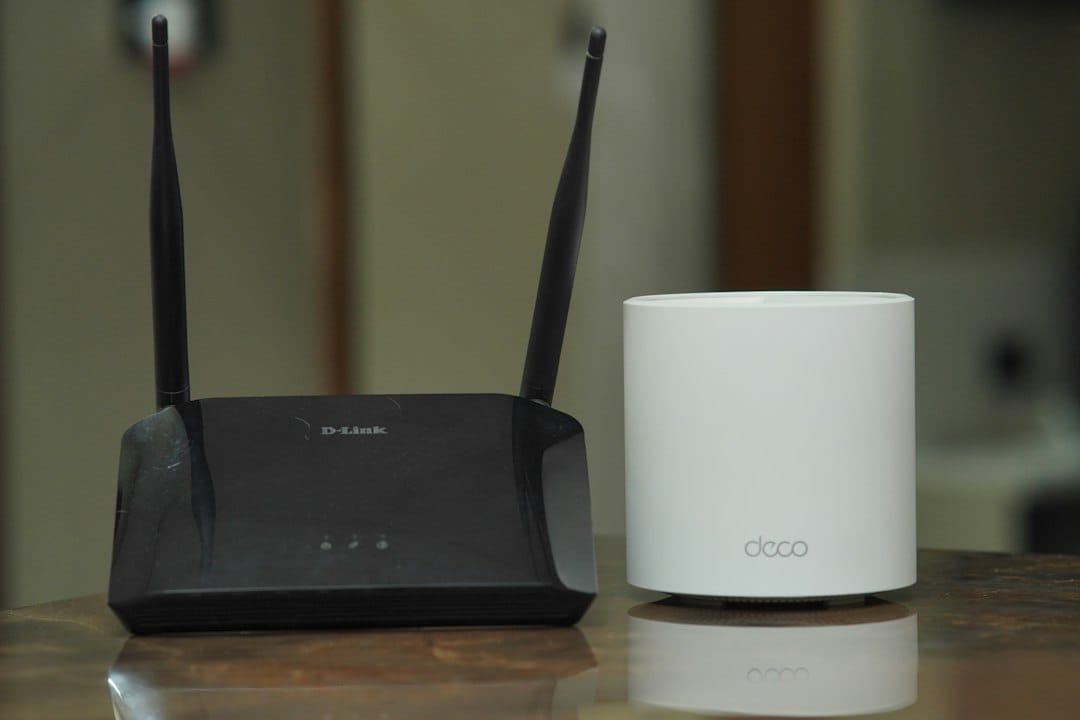
Illustrative photo: TechieTech Tech / Unsplash. Confirm equipment specifications with the relevant manufacturer.
A dedicated mobile hotspot or router can make it easier to share a suitable cellular connection among laptops, tablets and other devices. Some support external antennas or more than one cellular connection, but features vary by device and carrier. A router does not solve the lack of a nearby cell network.
Before purchasing equipment, compare the router’s supported Canadian frequency bands and modem requirements with your carrier’s published compatibility guidance. Ask whether the data plan allows the intended device and location, including travel between provinces or into the United States. If the RV has a wired or permanent installation, have any electrical work or exterior mounting checked by an appropriately qualified technician.
Starlink Roam for RV camping: what is different?
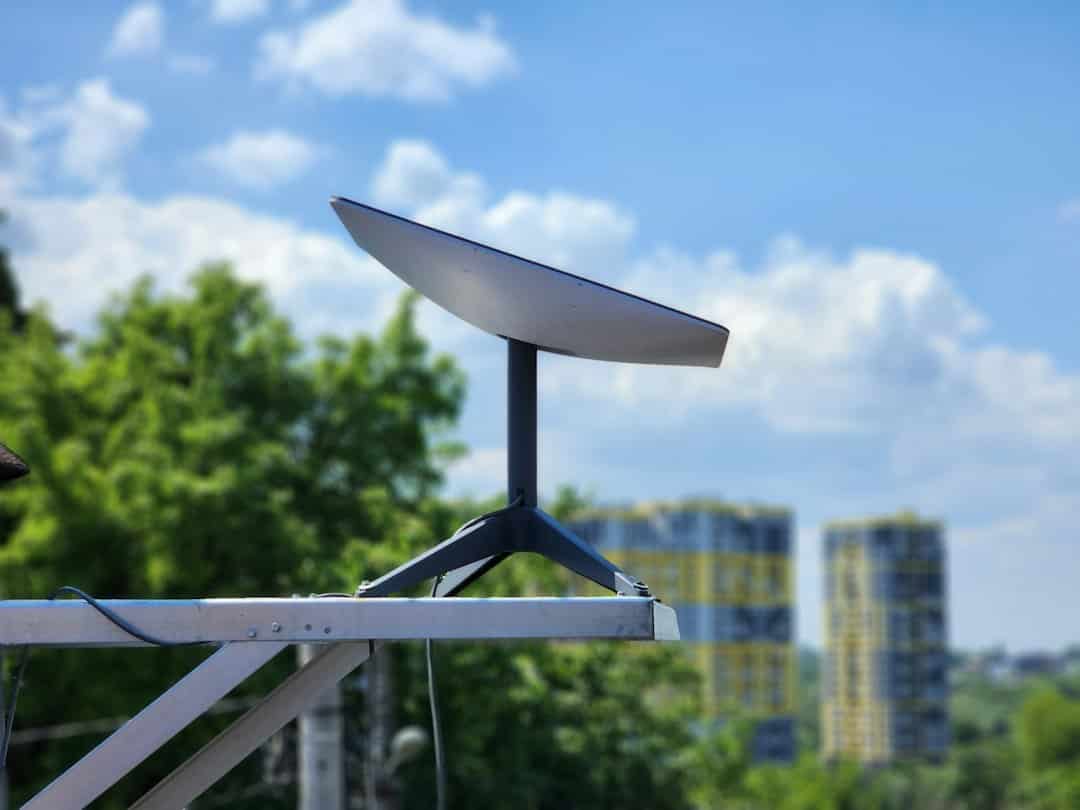
Illustrative photo: Evgeny Opanasenko / Unsplash. Confirm equipment specifications with the relevant manufacturer.
Starlink Roam uses satellite equipment rather than a nearby cellular tower, which can make it useful on remote trips. But the dish needs a suitable view of the sky: trees, roofs, cliffs and other obstructions can disrupt connectivity. Starlink’s obstruction-check guidance explains how its app evaluates a proposed location. A heavily forested campsite may be unsuitable even if satellite service is available in the wider region.
Starlink’s Canadian Roam plan names, included data, billing and pause arrangements can change. On October 26, 2026, its official Canadian service page lists data-limited Roam tiers alongside an unlimited tier; data-limited plans continue at reduced speed after the high-speed allotment. Do not rely on old “RV” plan names or an article’s historical price when buying. Confirm the current hardware price, monthly charge, pause/Standby terms, use while moving and geography restrictions directly at checkout.
Power and campsite rules
Satellite equipment consumes power, and the actual requirement depends on the terminal and how it is used. Compare the manufacturer’s input specifications with your RV’s approved power supply and battery capacity. Confirm that the campground allows portable equipment in the proposed location and that no cords create hazards for other campers or vehicles. A roof installation can have weatherproofing, structural and cable-protection implications, so avoid improvising permanent mounts.
What campground Wi-Fi can and cannot do
Some RV parks offer Wi-Fi near an office, clubhouse or across all sites. Others may only provide service in a limited zone. Shared use, building materials, distance from an access point and backhaul capacity can affect reliability. Ask whether your actual site is within the covered area, whether there are fees or data restrictions, and whether staff report any recurring outages. Do not base an essential work call on an unverified “free Wi-Fi” amenity listing.
Campground networks are also shared or public networks. The Canadian Centre for Cyber Security advises avoiding unknown or unsecured public Wi-Fi; keep devices and apps updated, prefer secure connections, enable account multi-factor authentication and use a trusted personal network for sensitive activity where practical.
How to check mobile coverage before reserving
Start with the campground’s precise address or coordinates. Examine your provider’s map—such as TELUS’s Canadian network coverage map—but note that these maps are estimates. Terrain, foliage, buildings, the carrier, your device, congestion and weather can alter actual service. The federal National Broadband Data Information map also provides a mobile-coverage layer, although its coverage presentation is not an on-site speed test.
Call the campground for recent observations about the providers that work at the individual site or loop, while recognizing staff cannot guarantee a particular signal. If connectivity is essential, take a backup option and plan a suitable alternative location. Our RV campground reservation checklist includes other useful questions before paying for a site.
Estimate your data needs, not just the marketing speed
A person who checks email twice daily has different requirements from a household streaming video or someone on frequent video calls. Record actual usage from your phone, cellular router or existing internet account for a representative trip. Pay attention to upload needs as well as download speeds; video calls depend on stability and latency, not only a provider’s advertised peak download rate.
Before committing to a high-data subscription, check the full plan terms: high-speed allotment, reductions after it is used, hotspot restrictions, international roaming, taxes, cancellation or pause fees and device compatibility. Do not assume a headline speed or data label means the same thing on cellular and satellite.
Which internet combination makes sense for your travel style?
| Travel situation | Reasonable starting point | Backup consideration |
|---|---|---|
| Weekend trips near towns | Existing phone hotspot, tested against carrier coverage | Campground Wi-Fi or another provider’s cellular service when available |
| Multiple devices at serviced RV parks | Cellular hotspot/router with suitable data plan | Campground Wi-Fi after confirming the actual site signal |
| Remote sites away from towers | Evaluate Starlink Roam only if sky visibility and power needs can be met | Offline maps, downloaded information and a communication/safety plan |
| Working from an RV | Tested primary connection matched to meeting/upload requirements | Independent connection and alternate workspace where practical |
For remote travel, internet availability is not an emergency-safety guarantee. Follow appropriate trip planning and communication practices. Our campsite selection guide and British Columbia RV campground guide help you weigh location, services and access separately from connectivity.
FAQ
Do I need Starlink to use the internet in an RV?
No. For many trips with adequate mobile service, a phone hotspot or cellular router is enough. Satellite may be useful where cell coverage is unreliable, provided sky visibility and power requirements are met.
Does a cellular booster create coverage in remote areas?
No. A booster may help in certain weak-signal scenarios, but it cannot create a connection without usable network service and compatible equipment.
Can I use Starlink under a dense forest canopy?
Obstructions can interrupt service. Use Starlink’s official app to assess the campsite sky view before treating satellite service as dependable there.
Is campground Wi-Fi included in every RV site?
No. Service availability, range, fees and restrictions vary. Confirm the particular reservation and campsite before relying on it.
What internet should I rely on for remote work?
Choose a connection you have tested at the destination and keep a second independent way to get online if missed calls would matter. Neither cellular nor satellite can guarantee uninterrupted availability.
Official sources checked October 26, 2026
- CRTC — Canadian Telecommunications Market Report 2026
- TELUS — Canadian mobile network coverage map
- Government of Canada — National broadband and mobile coverage map
- Starlink — Canadian Roam plans
- Starlink — Check for obstructions
- Canadian Centre for Cyber Security — Cyber hygiene and Wi-Fi safety
Research-based comparison: no network, satellite terminal, campsite Wi-Fi system, cellular router or booster was independently tested. Carrier coverage, prices and plan details change; check official sites before purchasing or travelling. No paid or affiliate relationship is claimed for the providers named.